
As online education continues to expand, managing tutor availability, student bookings, and session scheduling manually is no longer sustainable. Today’s learners expect instant bookings, flexible time slots, and smooth payment experiences, while tutoring businesses require automation, visibility, and the ability to scale without friction.
This growing gap between learner expectations and manual processes is where tutor booking software becomes essential. From individual tutors to large-scale tutoring marketplaces, the right software simplifies operations and improves learning experiences. In this blog, you will explore the top tutor booking software solutions, their strengths, limitations, and ideal use cases to help you make an informed decision.
Table of Contents
What is Tutor Booking Software?
Tutor booking software is a digital solution that enables students to browse tutors, check their real-time availability, schedule sessions, and make payments online through a unified interface. From a business perspective, it helps manage tutors, sessions, pricing, commissions, and user interactions through a centralized system, improving operational efficiency and visibility.
Depending on the platform, tutor booking software may support:
- One-on-one or group sessions
- Live, virtual, and recorded classes
- Detailed tutor profiles with ratings and reviews
- Automated reminders, invoicing, and payment processing
- Both marketplace-based, or private tutoring models
Benefits of Tutor Booking Software for Online Tutoring Businesses
Using tutor booking software offers several business and operational advantages. By automating core workflows and improving user experience, these platforms help businesses operate more efficiently and scale without friction.
Key benefits include:
- Streamlined scheduling that eliminated manual coordination and back-and-forth communication
- Higher conversion rates are enabled through instant bookings
- Reduced administrative workload through automation of routine tasks
- Better tutor utilization and real-time availability management
- Secure and automated payment processing with greater financial transparency
- Scalable infrastructure designed to support long-term business growth
List of Top Tutor Booking Software
Choosing the right tutor booking software depends on your business model, scale, and long-term growth plans. However, a carefully curated list of the top 10 tutor booking software, ranging from full-scale marketplace solutions to scheduling-focused tools, each serving different operational needs, is given below:
1. Yo!Coach
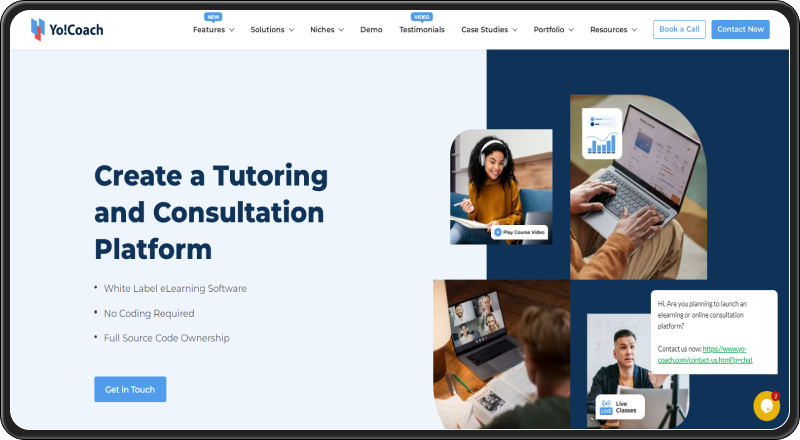
Yo!Coach is a purpose-built white label tutor booking and eLearning marketplace software built for businesses aiming to launch and scale comprehensive online tutoring platforms. Unlike generic scheduling tools, it offers an end-to-end ecosystem that supports tutor discovery, bookings, monetization, and platform ownership.
It is well-suited for entrepreneurs, tutoring companies, and education businesses aiming to build a branded marketplace with long-term flexibility and control.
Key Highlights
- Tutor discovery and booking marketplace
- Support for individual and group tutoring
- Commission and payout management
- Built-in session management tools
Pros
- Designed specifically for tutoring and eLearning businesses
- Highly flexible architecture to support different niches and customization
- Suitable for global and niche markets
- Supports both marketplace and private tutoring workflows
- Strong monetization capabilities for commissions and subscriptions
- Scales effectively with growing tutor and student bases
- Ownership-based model with long-term cost efficiency
Cons
- Need to meet the server requirements to host the platform
Ratings
4.5 / 5
Schedule a One-on-One Personalized Demo of Yo!Coach
2. SimplyBook.me
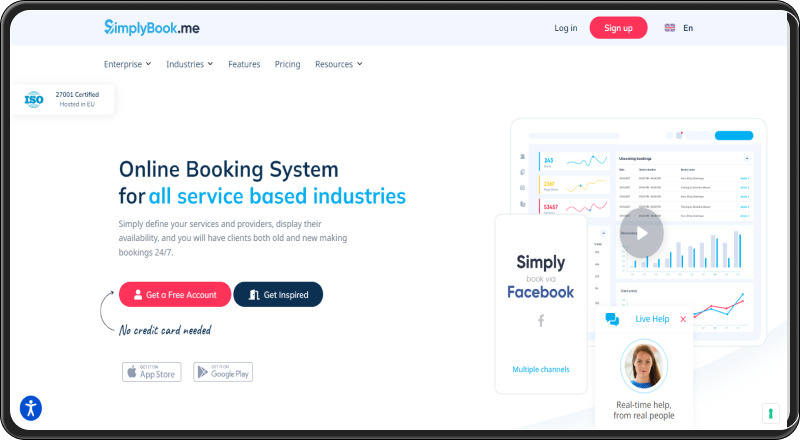
SimplyBook.me is a general-purpose appointment scheduling platform widely used across service-based industries, including education and coaching. It works well for tutors who prioritize booking automation but do not require advanced tutoring workflows or marketplace functionality. The platform is often adopted by small teams seeking quick deployment rather than deep platform customization.
Key Highlights
- Custom booking website
- Automated notifications
- Payment and calendar integrations
Pros
- Flexible booking workflows
- Multiple service categories
- Integrated with Calendar Tools
Cons
- Not designed specifically for tutoring businesses
- Scaling beyond basic scheduling can be restrictive
- Advanced customization requires workarounds
- Limited tutoring-specific features
- Marketplace modelis not native
Ratings
4.4 / 5
3. TutorCruncher
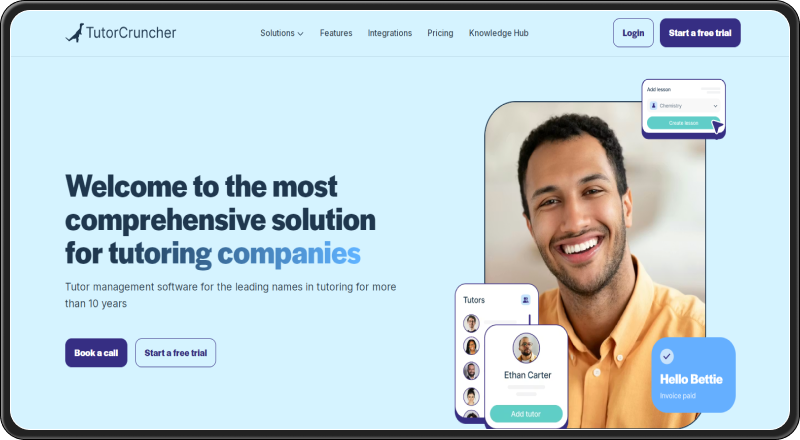
TutorCruncher is a tutoring management platform focused on agencies and tutoring companies. It emphasizes administrative control and structured operations over student-driven discovery experiences. This makes it suitable for established agencies with predefined tutor networks.
Key Highlights
- Tutor and student management
- Scheduling and invoicing
- Reporting and analytics
Pros
- Strong back-office tools
- Effective for agency-style tutoring operations
Cons
- Limited student-facing marketplace features
- Customization options are restricted
- Student-facing experience is relatively basic
- Less suitable for niche or experimental models
- Scaling into global markets can be challenging
Ratings
4.3 / 5
4. Acuity Scheduling
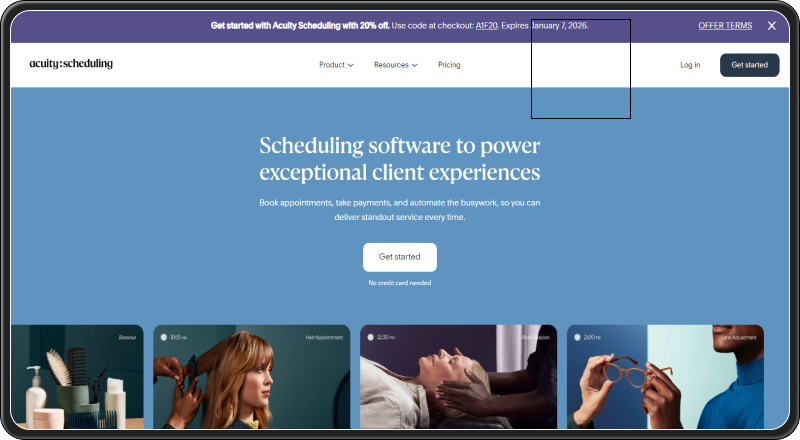
Acuity Scheduling is a robust appointment booking tool used by professionals across industries, including independent tutors. It focuses on scheduling precision rather than tutoring-specific business logic. Tutors often pair Acuity with third-party tools to complete their operational stack.
Key Highlights
- Custom availability rules
- Automated confirmations and reminders
- Time-zone detection
Pros
- Reliable scheduling automation
- Clean user interface
- Time-zone handling for global clients
Cons
- Requires integrations for a full tutoring ecosystem
- No native tutor discovery
- Limited monetization flexibility
- Not designed for managing tutor networks
- Scaling requires additional systems
Ratings
4.5 / 5
5. Teachworks
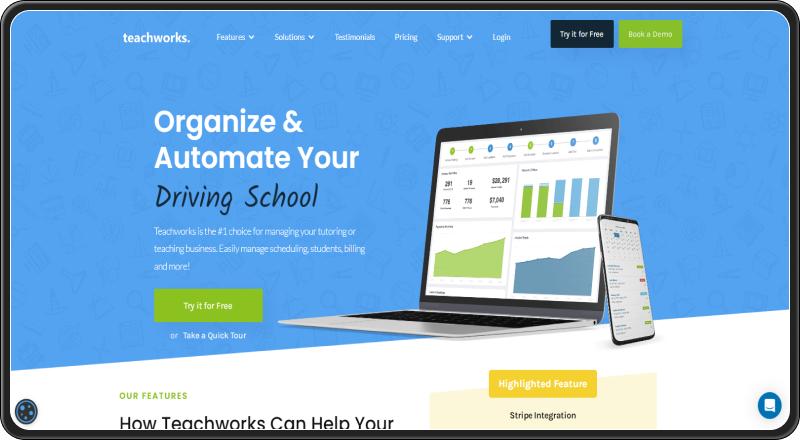
Teachworks is designed for tutoring companies that need internal scheduling, billing, and student tracking. It is commonly used by traditional tutoring businesses transitioning from offline to online operations. The platform prioritizes administration over front-end engagement.
Key Highlights
- Tutor scheduling and billing
- Student progress tracking
- Admin dashboards
Pros
- Good operational visibility
- Supports structured tutoring environments
Cons
- Limited front-end experience
- Less suitable for marketplaces
- Customization is relatively constrained
- Requires additional tools for payments and discovery
- Less adaptable to new business models
Ratings
4.3 / 5
6. Setmore
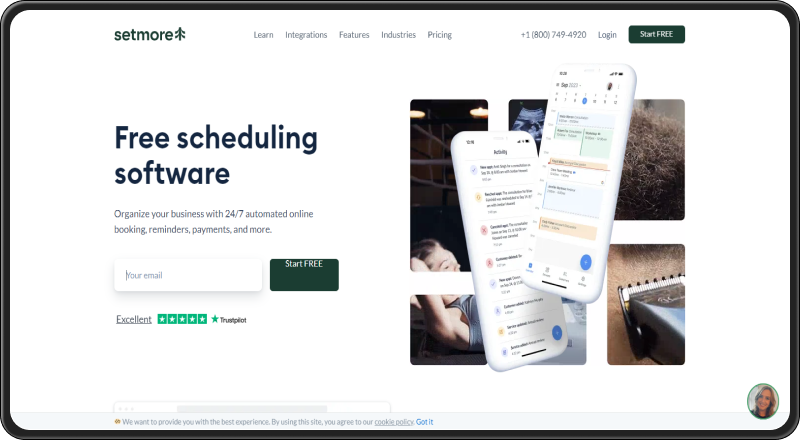
Setmore provides basic online booking capabilities suitable for tutors and small educational teams. It is primarily focused on appointment scheduling rather than end-to-end tutoring operations. It works best for simple use cases with limited scale requirements.
Key Highlights
- Online booking pages
- Video meeting integrations
- Team scheduling
Pros
- Easy to set up
- Affordable plans
Cons
- Generic appointment focus
- Limited scalability for large platforms
- Minimal customization options
- Not ideal for large platforms
- Scaling requires platform migration
Ratings
4.4 / 5
7. Bookeo
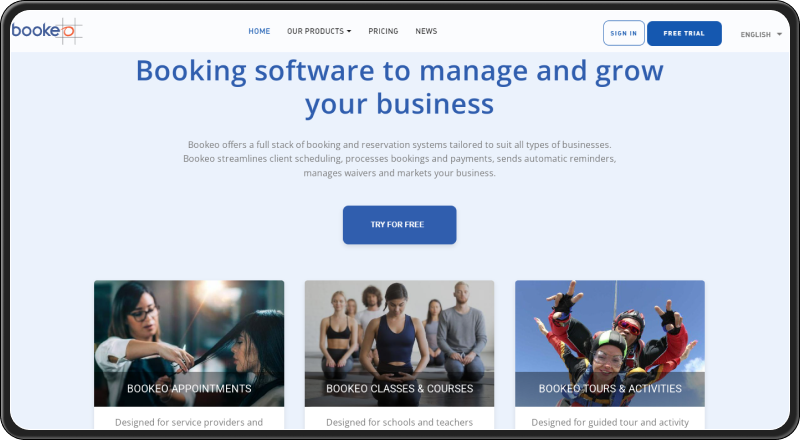
Bookeo supports appointment and class bookings, making it useful for tutoring sessions that involve recurring schedules. However, it remains a general booking tool rather than an education-focused platform.
Key Highlights
- Class and private session scheduling
- Online payments
- Calendar synchronization
Pros
- Supports recurring classes
- Clean booking interface
Cons
- Not tailored for tutoring businesses
- Limited student management features
- Custom workflows are restricted
- Requires integrations for full functionality
- Marketplace features are minimal
Ratings
4.2 / 5
Looking for a Robust Solution to Take Your Tutoring Business Online?
8. Picktime
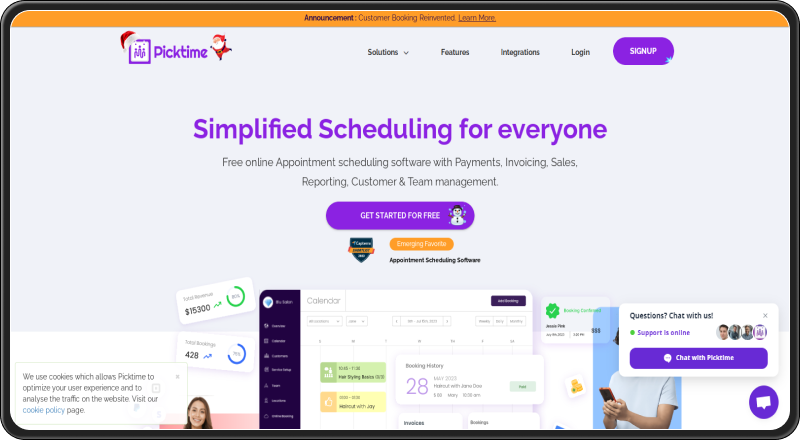
Picktime is a free online scheduling tool used by tutors and educators seeking basic booking functionality without upfront costs. It is best suited for early-stage or individual educators.
Key Highlights
- Appointment booking and reminders
- Team scheduling
- Reporting tools
Pros
- Free to use
- Quick onboarding
- Adequate for basic scheduling needs
Cons
- Limited advanced features
- Generic interface and workflows
- Minimal scalability options
- Not suitable for marketplaces
- Customization is very limited
Ratings
4.1 / 5
9. Ubindi
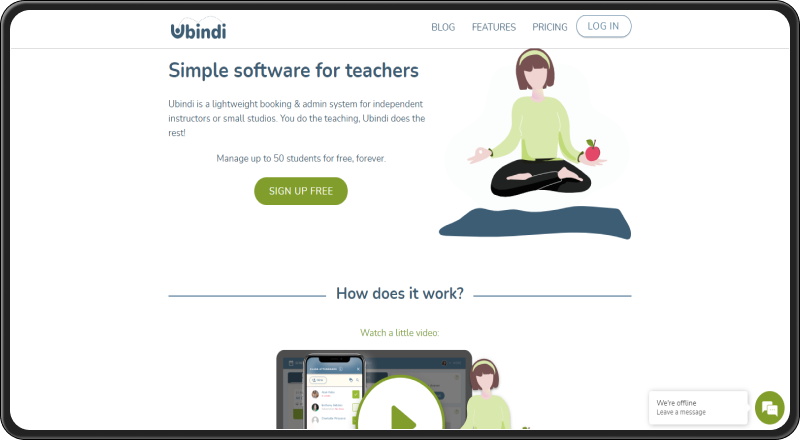
Ubindi is designed for coaches, teachers, and educators, offering scheduled sessions and class packages. It supports small-scale teaching formats but is not built for complex tutoring ecosystems.
Key Highlights
- Session booking and payments
- Class passes and packages
- Student management
Pros
- Easy to use
- Suitable for small class formats
- Works well for individual educators
Cons
- Not ideal for large tutoring businesses
- Limited customization
- Not suitable for multi-tutor marketplaces
- Operational depth is limited
- Less control over platform structure
Ratings
4.1 / 5
10. Koalendar
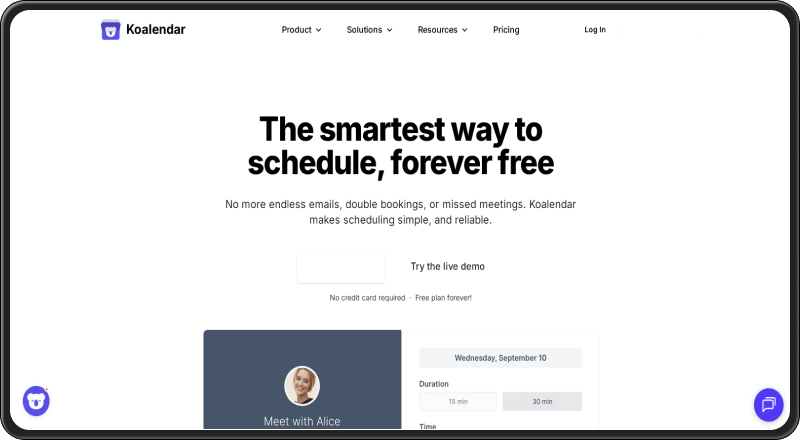
Koalendar is a lightweight scheduling tool tailored for professionals offering paid sessions. It focuses on speed, ease of use, and quick setup, making it suitable for individuals who want to start accepting bookings without dealing with complex configurations or advanced operational workflows.
Key Highlights
- Time-zone aware booking
- Payment-enabled scheduling
- Custom booking links
Pros
- Simple and fast setup
- Clean and straightforward booking flow
Cons
- No advanced tutoring workflows
- Limited team management
- Minimal customization capabilities
- Not designed for scaling platforms
- Requires additional tools as demand grows
Ratings
4.2 / 5
Comparison of Top Tutor Booking Software
Different tutor booking platforms are designed to support different business models, from simple appointment scheduling to full-scale tutoring marketplaces. Instead of focusing on surface-level ratings, the comparison below highlights how each solution aligns with common business structures, along with its flexibility and ability to scale over time.
| Software | Marketplace Support | Customizability | Scalability | Common Business Model |
| Yo!Coach | Yes | High | High | Multi-tutor marketplaces and branded tutoring platforms |
| SimplyBook.me | No | Medium | Medium | Appointment-based tutoring services |
| TutorCruncher | Limited | Medium | Medium | Agency-managed tutoring operations |
| Acuity Scheduling | No | Medium | Medium | Independent tutors and consultants |
| Teachworks | No | Medium | Medium | Centrally managed tutoring businesses |
| Setmore | No | Low | Medium | Small tutoring teams and solo educators |
| Bookeo | No | Low | Medium | Class-based and recurring tutoring sessions |
| Picktime | No | Low | Low | Early-stage or individual tutoring setups |
| Ubindi | No | Low | Low | Small coaching and teaching practices |
| Koalendar | No | Low | Low | Simple paid session scheduling models |
Which Tutor Booking Software is Best for Your Business?
Choosing the right tutor booking software isn’t just about solving today’s scheduling challenges. It is about selecting a solution that can support your tutoring business as it grows and evolves. Different business models demand different levels of functionality, control, and scalability, making it essential to choose software that aligns with your long-term goals.
1. For Independent Tutors & Solo Educators
If you operate as a solo tutor or offer limited sessions, lightweight scheduling tools with built-in payment support are sufficient. These tools help automate bookings, avoid calendar conflicts, and reduce administrative effort without requiring complex setup.
2. For Small Tutoring Teams & Coaching Centers
For growing teams, shared calendars, centralized admin dashboards, and basic reporting become essential. At this stage, your selected software should support multiple tutors, track sessions efficiently, and provide clear operational visibility, while still being easy to manage.
3. For Tutoring Agencies & Established Businesses
Agencies and established businesses require more than scheduling. Features like tutor onboarding, session tracking, invoicing, performance reporting, and payout management are critical to maintain operational efficiency and consistency across tutors.
4. For Entrepreneurs Building Tutor Marketplaces
If your goal is to launch a scalable tutoring marketplace, where multiple tutors offer services to students under a single brand, you need a purpose-built solution. This includes tutor discovery, advanced booking logic, commission management, ratings and reviews, and full control over the platform’s growth.
This is where dedicated marketplace software like Yo!Coach stands out. Instead of adapting generic scheduling tools, Yo!Coach is designed to support discovery-driven platforms, flexible monetization models, and long-term scalability, making it a practical choice for businesses aiming to build a robust tutoring ecosystem.
Turn Your Tutoring Network into a Marketplace
Final Thoughts
While basic tools may work efficiently in early stages, many tutoring businesses outgrow them as demand, network and operational complexity increase. Selecting software that aligns with your long-term vision, supports customization, and enables seamless scaling without re-platforming can save significant time and cost in the future.
For businesses planning to evolve into full-fledged tutoring platforms, starting with a purpose-built solution offers a strategic advantage. It provides the flexibility, control, and infrastructure needed to support growth, adapt to changing requirements, and build a sustainable tutoring ecosystem.
FAQs
Q 1. Can tutor booking software handle different time zones?
Ans. Yes, most modern tutor booking software handles different time zones. They have tools that automatically adjust bookings based on user location, ensuring accurate scheduling for tutors and learners across regions. This minimizes missed sessions, reduces manual coordination, and supports global operations with consistent booking experiences.
Q 2. Is tutor booking software suitable for niche tutoring platforms?
Ans. Yes, tutor booking software is suitable for niche tutoring platforms. Many platforms allow customization for specific subjects, audiences, or regions. This flexibility allows businesses to deliver tailored learning experiences without compromising operational efficiency or scalability.
Q 3. Do these software support recurring sessions?
Ans. Yes, these software supports recurring and package-based bookings. Moreover, they have features that help tutoring businesses improve learner retention, automate scheduling, and ensure predictable revenue while reducing administrative overhead for both tutors and administrators.
Q 4. Is marketplace functionality necessary for all businesses?
Ans. No, marketplace functionality is not necessary for all businesses. It’s mainly beneficial for platforms hosting multiple tutors rather than individual educators. Individual tutors or small teams can operate effectively with simpler scheduling tools, while marketplaces benefit from features like tutor discovery, commissions, and multi-vendor management.
Q 5. Can tutor booking software grow with my business?
Ans. Yes, tutor booking software can grow with your business. Scalable platforms with flexible architecture are best suited for long-term expansion. Moreover, with modular architecture, API support, and customization capabilities, these solutions allow businesses to expand offerings and markets without migrating to a new system.
Ready to Launch Your Own EdTech Marketplace?
Get Started