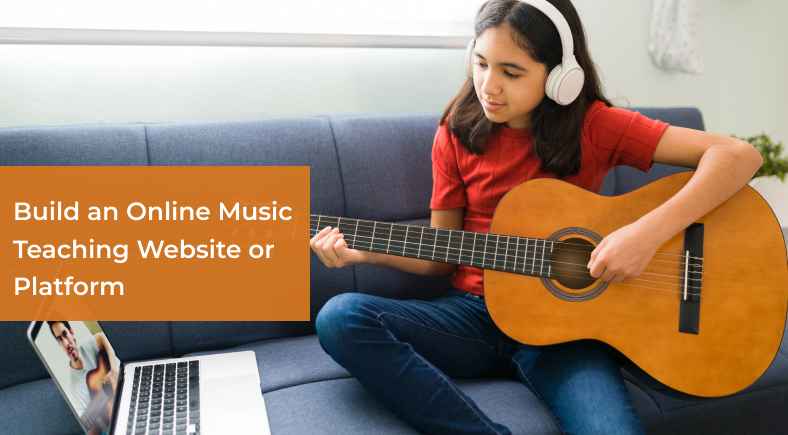
The way people learn music has undergone a remarkable transformation in recent years. What once required students to attend local music schools, private studios, or community centers can now be achieved from anywhere through online learning. From piano and guitar lessons to vocal coaching, music production training, and online music education, the industry has been thriving and continues to attract learners of all ages and skill levels.
Advancements in video conferencing technologies, online payment systems, and cloud-based learning tools have made virtual music lessons more accessible than ever. Students across the United States, Canada, the United Kingdom, Germany, France, and other European countries increasingly prefer the flexibility and convenience of learning music online.
For entrepreneurs, music academies, and independent instructors, this shift presents a significant business opportunity. Whether you want to build a music teaching website for private lessons, launch a marketplace connecting students with instructors, or create a subscription-based music learning platform, there is a growing demand for innovative online music education solutions.
However, building a successful online music teaching platform requires more than simply creating a website. You need the right business model, essential teaching features, scalable technology, and a user experience that supports both instructors and students. This guide explores everything you need to know, from platform features and development approaches to costs, monetization strategies, and launch considerations.
Table of Contents
- What is an Online Music Teaching Platform?
- How it Differs from Traditional Music Schools
- Types of Online Music Learning Models
- Why Invest in an Online Music Teaching Website?
- Top Music Learning Platforms
- Key Features Required in an Online Music Teaching Website
- Essential Advanced Features for Music Learning Platforms
- Step-by-Step Process to Build an Online Music Teaching Platform
- Custom Development vs Ready-Made Software: Which is Better?
- Cost to Build an Online Music Teaching Website
- Challenges in Building an Online Music Learning Platform
- How Ready-Made Online Teaching Software Simplifies Development?
- How Yo!Coach Helps Launch an Online Music Teaching Platform
- Conclusion
- Frequently Asked Questions (FAQs)
What is an Online Music Teaching Platform?
An online music teaching platform is a digital solution that enables music instructors and students to conduct lessons, manage schedules, communicate, and process payments through a centralized online environment. It brings together the essential tools required to deliver, manage, and monetize music educationn online.
Unlike traditional music schools that rely on physical classrooms and local attendance, online platforms allow instructors to teach students from virtually anywhere in the world. This flexibility expands access to specialized instructors, creates new revenue opportunities, and enables businesses to reach a much larger audience.
Online music platforms typically provide tools for:
- Lesson scheduling and calendar management
- Live video conferencing
- Student and instructor management
- Assignment and practice tracking
- Secure payment processing
- Learning progress and performance monitoring
- Resource and learning material sharing
These platforms can support a variety of music schools, educational organizations, or entrepreneurs seeking to create a marketplace for music education. As a result, they serve the needs of independent music teachers, educational institutions, music schools, and entrepreneurs looking to build a scalable online music education business.
How it Differs from Traditional Music Schools
The growing popularity of online music education is largely driven by the limitations of traditional learning models. While conventional music schools have served learners for decades, they often struggle with geographic constraints, fixed schedules, and higher operational costs. In contrast, online music teaching platforms offer greater flexibility, broader accessibility, and enhanced scalability, making them an attractive option for both learners and business owners.
| Factor | Traditional Music Schools | Online Music Teaching Platforms |
| Accessibility | Limited to local students | Accessible to learners worldwide |
| Learning Location | Physical classrooms or studios | Learn from anywhere with an internet connection |
| Scheduling | Fixed class timings | Flexible scheduling and on-demand learning |
| Instructor Availability | Restricted by location | Access to global instructors and specialists |
| Operational Costs | High infrastructure and maintenance costs | Lower overhead and operational expenses |
| Business Scalability | Expansion requires new physical locations | Easily scalable across regions and countries |
| Student Reach | Local or regional audience | Global audience reach |
| Learning Resources | Primarily classroom-based materials | Digital resources, recordings, and downloadable content |
| Convenience | Travel required for lessons | Attend lessons remotely from any device |
| Revenue Opportunities | Limited by physical capacity | Multiple revenue streams and unlimited growth potential |
As a result, many music schools and academies are embracing digital transformation to expand their reach and diversify revenue streams. At the same time, entrepreneurs are leveraging online platforms to launch innovative music education businesses that cater to a global audience without the limitations of a physical setup.
Transform Your Music Education Vision Into a Thriving Online Business
Types of Online Music Learning Models
Choosing the right learning model is one of the most important decisions when you build a music teaching website. The model you choose influences the learner experience, revenue goals, and operational requirements. While some businesses focus on a single format, many successful music education platforms combine multiple learning models to cater to diverse learner preferences and maximize growth opportunities.
1. One-on-One Lessons
One-on-one lessons provide personalized instruction between a student and a music teacher. This model is widely used for piano, guitar, violin, drums, music theory, and vocal coaching. Instructors can tailor lesson plans to individual learning styles, skill levels, and goals, resulting in a highly customized educational experience. While this model often commands premium pricing, it also requires effective scheduling and instructor management.
2. Group Classes
Group classes allow multiple students to participate in the same live session simultaneously. This approach encourages collaboration, peer learning, and interactive discussions while making lessons more affordable for students. Group learning works particularly well for beginner music programs, choir training, music theory classes, and instrument workshops. It also enables instructors to teach more students within a single session, improving revenue potential.
3. Self-Paced Courses
Self-paced learning platforms provide students with access to pre-recorded video lessons, downloadable resources, quizzes, and practice materials. Learners can progress through the content at their own pace without attending scheduled classes. This model is ideal for students seeking flexibility and for businesses looking to generate recurring revenue through course sales or subscriptions. It also allows instructors to scale their expertise beyond live teaching hours.
4. Hybrid Learning Platforms
Hybrid platforms combine live instruction with self-paced learning resources. Students can attend virtual lessons while also accessing recorded tutorials, assignments, practice exercises, and progress-tracking tools. This blended approach offers the best of both worlds by providing personalized guidance alongside flexible learning opportunities. Many modern music academies adopt this model to improve student engagement and learning outcomes.
5. Marketplace for Music Tutors
A music tutor marketplace connects students with multiple independent instructors through a single platform. Teachers create profiles, set their availability, define pricing, and offer lessons in various instruments or music disciplines. Students can browse instructor profiles, compare qualifications, read reviews, and book lessons directly. Platform owners typically generate revenue through commissions, subscription plans, featured listings, or service fees, making this model highly scalable for entrepreneurs.
Why Invest in an Online Music Teaching Website?
The online music education industry continues to experience strong growth as learners increasingly seek flexible, accessible, and personalized ways to develop their musical skills. Driven by advancements in digital learning technologies and changing consumer preferences, online music teaching platforms have emerged as a profitable business opportunity for entrepreneurs, music academies, and independent instructors.
1. Growing Demand for Online Music Education
The demand for online music lessons continues to rise as students look for convenient ways to learn instruments, improve performance skills, and receive professional guidance from experienced instructors. Online lessons provide access to highly qualified instructors regardless of location, allowing learners to find the right instructor based on their goals, skill level, and musical interests.
This trend is particularly evident across North America and Europe, where students increasingly prefer the flexibility and personalized learning experiences offered by virtual music education.
2. Global Reach Beyond Geographic Boundaries
One of the biggest advantages of launching an online music learning platform is the ability to serve a worldwide audience.
For example, a vocal coach based in London can teach students in New York, Toronto, Berlin, or Amsterdam. Similarly, a piano academy in California can enroll learners from across Europe without opening physical branches. This global reach creates significant growth potential for music education businesses and unlocks new growth opportunities.
3. Recurring Revenue Opportunities
Online music teaching platforms support multiple revenue streams, allowing businesses to generate consistent and predictable revenue.
Common revenue sources include:
- Monthly subscriptions
- Per-session payments
- Course sales
- Membership plans
- Instructor commissions
By diversifying revenue channels, platform owners can build a more sustainable and scalable business model while improving long-term profitability.
4. Lower Operational Costs
Traditional music schools require classrooms, administrative staff, equipment maintenance, and facility expenses.
In contrast, online music teaching platforms operate with substantially lower overhead costs. By eliminating the need for physical infrastructure, businesses can allocate more resources toward instructor acquisition, marketing, platform enhancements, and business growth while maintaining operational efficiency.
5. Flexible Learning Experience for Students
Today’s learners value convenience and flexibility more than ever. Online music education allows students to learn on their own terms while balancing work, school, travel, and other commitments.
Online music education allows students to:
- Schedule lessons around work or school
- Learn from home
- Access recordings for revision
- Connect with international instructors
- Continue learning while traveling
These advantages contribute to higher student satisfaction, stronger engagement, and improved retention rates, making online music education an increasingly preferred choice worldwide.
Ready to Capitalize on the Growing Demand for Online Music Education?
Top Music Learning Platforms
Examining successful music education platforms can provide valuable insights into the features and business models that drive growth in this industry. While each platform serves a different audience and follows a unique approach, they all demonstrate how technology can make music education more accessible, engaging, and scalable.
1. Lessonface
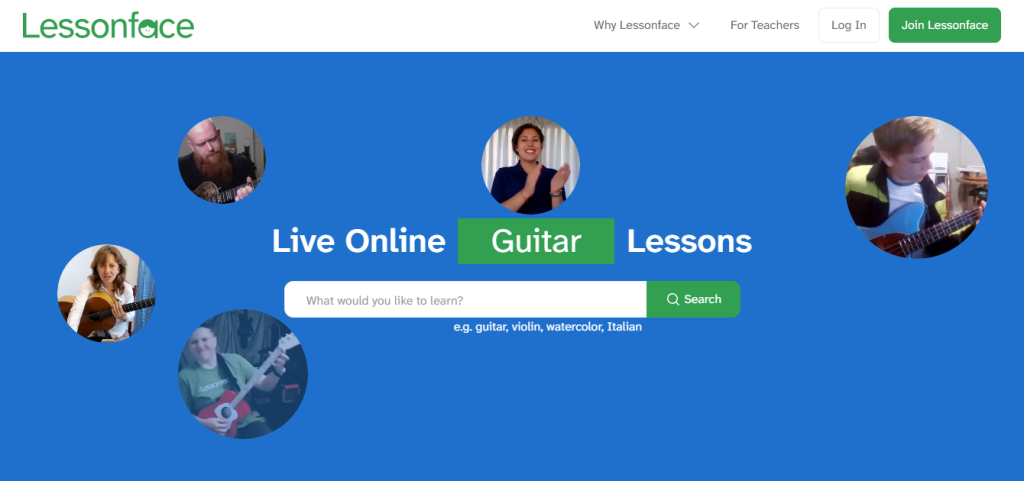
Lessonface is a well-known online learning platform that connects students with professional music instructors worldwide. The platform offers private lessons in piano, guitar, violin, voice training, and many other disciplines, including piano, guitar, violin, voice training, music theory and more. Its focus on instructor accessibility and personalized learning has helped it build a strong global presence.
Key Strengths:
- Global instructor network
- Live online lessons
- Flexible scheduling
- Wide range of music subjects
2. ArtistWorks
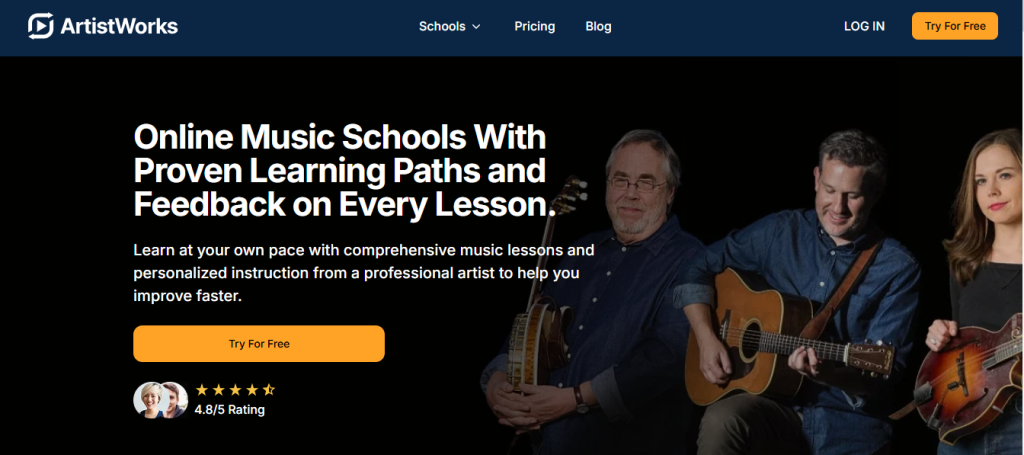
ArtistWorks combines structured video courses with instructor feedback. Students can submit practice videos and receive personalized guidance from experienced musicians, creating a more interactive learning experience than traditional self-paced courses.
Key Strengths:
- Hybrid learning approach
- High-quality video content
- Personalized feedback system
- Subscription-based model
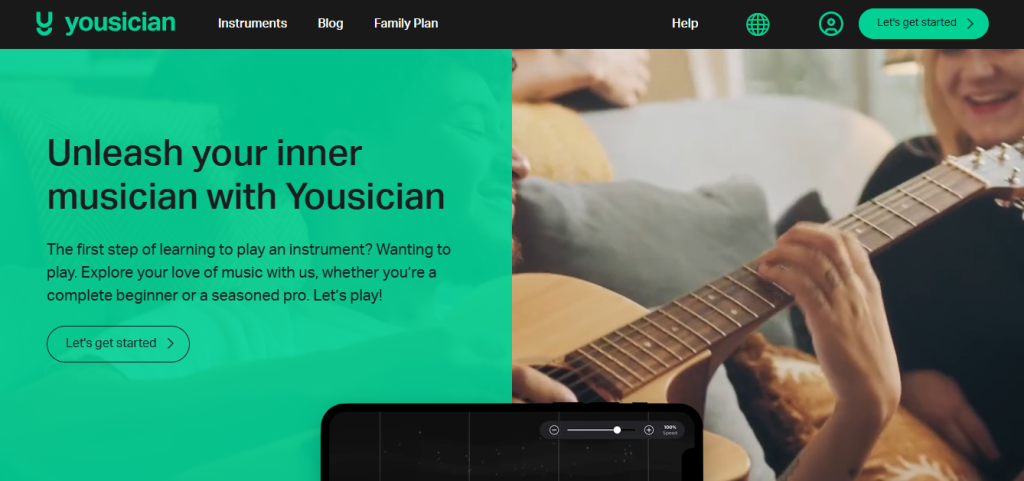
3. Yousician
Yousician focuses on technology-driven music education through interactive learning experiences. The platform uses AI-assisted feedback to help students practice instruments such as guitar, piano, and ukulele. Its gamified approach has made it particularly popular among younger and self-directed learners.
Key Strengths:
- Gamified learning
- Interactive practice sessions
- Mobile-first experience
- Subscription monetization
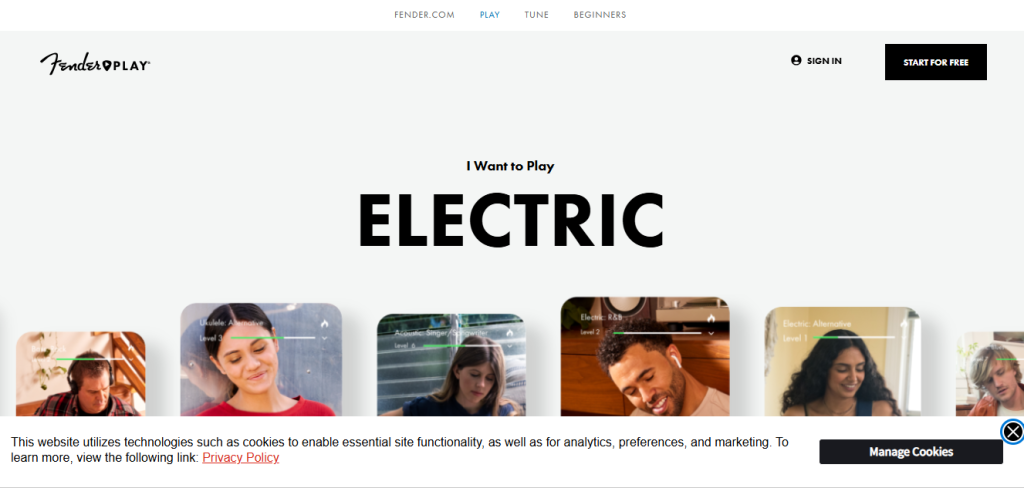
4. Fender Play
Fender Play specializes in guitar, bass, and ukulele education through professionally produced self-paced courses. Its beginner-friendly lessons and clearly defined learning paths make it an attractive option for aspiring musicians looking for a guided learning experience.
Key Strengths:
- Structured learning paths
- Strong brand recognition
- Beginner-friendly lessons
- Subscription-based business model
What Can New Entrepreneurs Learn from These Platforms?
Despite targeting different segments of the music education market, the most successful platforms share several common characteristics that contribute to user engagement, retention, and business growth. These include:
- Easy lesson booking
- High-quality virtual classrooms
- Flexible payment systems
- Mobile accessibility
- Strong instructor management
- Personalized learning experiences
Studying these platforms can help entrepreneurs identify the features and strategies that resonate with modern learners. When building an online music learning platform, incorporating these features can help create a competitive and engaging user experience while supporting long-term growth.
Key Features Required in an Online Music Teaching Website
To successfully build an online music learning platform, you need to deliver a seamless and engaging experience for students, instructors, and administrators. Each user group has unique requirements, and addressing them effectively can significantly improve user satisfaction, retention, and platform growth.
Student Features
A well-designed student experience plays a crucial role in driving lesson bookings, improving engagement, and encouraging long-term retention.
- User Registration & Profiles
A simple and intuitive registration process helps students get started quickly. Personalized profiles should allow learners to add their skill level, preferred instruments, learning goals, and lesson history. This information enables instructors to tailor lessons and create a more personalized learning experience.
- Search & Filter Instructors
An advanced search system helps students find the right instructor based on their specific needs. Useful filtering options include:
- Instrument specialization
- Skill level
- Language
- Pricing
- Availability
- Ratings and reviews
- Teaching experience
A robust search experience improves instructor discovery and increases lesson bookings.
- Lesson Scheduling
An integrated scheduling system allows students to view instructor availability, book lessons, receive confirmations, and manage cancellations or rescheduling requests. Automated reminders can also help reduce missed sessions.
- Secure Payments
Students should be able to pay conveniently and securely using multiple payment methods such as credit cards, debit cards, digital wallets, and regional payment gateways. Transparent pricing and secure transactions help build trust.
- Progress Tracking
A dedicated progress dashboard enables students to monitor completed lessons, assignments, practice hours, milestones, and skill development. Visual progress indicators can motivate learners to stay committed to their musical journey.
- Messaging System
Built-in messaging tools facilitate communication between students and instructors before and after lessons. Students can ask questions, discuss assignments, and receive guidance without relying on external communication channels.
- Reviews & Ratings
A transparent review and rating system helps students make informed decisions when selecting instructors. It also encourages instructors to maintain high teaching standards and improve overall platform credibility.
Music Instructor Features
To attract and retain qualified instructors, your platform should provide tools that simplify teaching, scheduling, student management, and revenue tracking.
- Profile Management
Instructor profiles serve as their digital storefront. Teachers should be able to showcase:
- Professional experience
- Certifications
- Musical achievements
- Areas of specialization
- Lesson pricing
- Availability
- Introductory videos
Comprehensive profiles help instructors establish credibility and attract more students.
- Availability Calendar
An integrated calendar allows instructors to manage schedules efficiently, set recurring availability, block unavailable dates, and synchronize with external calendar applications when needed.
- Lesson Management
Instructors need tools to create, conduct, record, and manage lessons. Features such as lesson notes, attendance tracking, and session recordings can streamline teaching workflows and improve student engagement.
- Student Management
A centralized student management system enables instructors to access learner profiles, attendance records, lesson history, assignments, and performance reports. This helps teachers provide more personalized instruction.
- Earnings Dashboard
A dedicated earnings dashboard gives instructors visibility into lesson revenue, commissions, pending payouts, completed transactions, and financial performance over time.
- Resource Sharing
Music instructors frequently share educational materials to support learning outside live sessions. The platform should support:
- Sheet music
- Practice exercises
- Audio files
- Video recordings
- Learning materials
- Performance feedback documents
Easy resource sharing enhances the overall learning experience and encourages consistent practice.
Admin Features
Administrators require powerful management tools to oversee operations, maintain quality standards, and support platform growth.
- User Management
Administrators should have complete control over student and instructor accounts. This includes user verification, profile approvals, account suspension, dispute resolution, and overall platform governance.
- Commission Management
For marketplace-based platforms, administrators need flexible commission settings to define revenue-sharing structures, instructor payouts, promotional discounts, and platform fees.
- Analytics Dashboard
Comprehensive analytics provide valuable insights into platform performance. Key metrics may include:
- Revenue growth
- User registrations
- Active learners
- Lesson bookings
- Instructor performance
- Student retention rates
These insights support data-driven decision-making and business growth.
- Payment Monitoring
Administrators should have access to detailed transaction records, refund requests, payout statuses, and payment histories to ensure financial transparency and operational efficiency.
- Content Moderation
Content moderation tools help maintain platform quality by monitoring uploaded resources, instructor profiles, reviews, and communications. This ensures compliance with platform policies and creates a safe learning environment.
Power Your Music Education Business With the Right Features
Essential Advanced Features for Music Learning Platforms
Beyond standard tutoring functionality, specialized music education platforms require advanced tools that enhance lesson quality, improve engagement, and support effective skill development. Music education has unique requirements that go beyond traditional online tutoring, particularly when it comes to audio quality, real-time interaction, and skill assessment. Incorporating advanced features can significantly improve learning outcomes, boost student engagement, and help your platform stand out in a competitive market.
1. Virtual Classroom Integration
Live virtual classrooms form the foundation of online music instruction. A fully integrated classroom environment eliminates the need for third-party tools and provides a seamless teaching and learning experience within the platform.
2. HD Video Conferencing
High-definition video is essential for music lessons because instructors often need to observe posture, finger placement, breathing techniques, and instrument handling. Clear video quality improves lesson effectiveness and communication.
This simplifies lesson management while creating a more professional and consistent learning environment.
3. Screen Sharing
Screen-sharing capabilities allow instructors to demonstrate music software, digital audio workstations, presentations, notation tools, and educational resources in real time. This feature is particularly valuable for music production and theory lessons.
This feature is particularly valuable for teaching music production, composition, music theory, and advanced performance techniques.
4. Audio Optimization
Unlike general online tutoring, music education requires superior audio quality and synchronization. Audio optimization features help reduce latency, improve sound clarity, and ensure students can accurately hear demonstrations, performances, and feedback.
5. Digital Sheet Music Sharing
Teachers should be able to upload, share, and annotate sheet music during lessons. Instructors can highlight mistakes, mark performance notes, explain musical concepts, and provide visual guidance in real time, creating a more interactive and productive learning experience.
6. Session Recording
Lesson recording functionality allows students to revisit previous sessions whenever needed. By reviewing demonstrations, instructor feedback, and practice techniques, learners can reinforce concepts and continue improving between live classes. Recorded sessions also add long-term value to the learning experience.
7. Interactive Whiteboard Collaboration
Interactive whiteboards support music theory instruction, chord progression explanations, notation exercises, rhythm demonstrations, and collaborative learning activities. They provide an engaging visual component to online lessons and make complex concepts easier to understand.
8. Assignment & Practice Tracking
Practice tracking tools encourage accountability and consistent improvement. Instructors can assign exercises, monitor completion rates, provide feedback, and evaluate student progress over time. These features encourage accountability and help learners stay focused on their goals.
9. Multi-Currency & Multi-Language Support
If you plan to serve learners across North America and Europe, localization becomes essential. Supporting multiple languages and currencies creates a more personalized user experience, reduces barriers to adoption, and allows businesses to serve learners across different countries and regions more effectively.
10. Mobile Accessibility
Modern learners increasingly rely on smartphones and tablets for education. A mobile-responsive platform or dedicated mobile application ensures students and instructors can schedule lessons, communicate, attend sessions, and access learning materials from any device.
By incorporating these advanced capabilities, entrepreneurs can create a more immersive, interactive, and scalable music learning platform that delivers superior experiences for both students and instructors while supporting long-term business growth.
Step-by-Step Process to Build an Online Music Teaching Platform
Building a successful online music teaching platform requires careful planning, the right technology stack, and a clear understanding of your target market. Whether you’re launching a niche music tutoring website or a large-scale marketplace connecting students and instructors worldwide, following a structured development process can significantly improve your chances of success.
Step 1: Identify Your Target Audience
The first step in building an online music teaching platform is defining the audience you want to serve. A clear understanding of your users’ needs will help you determine the platform’s features, pricing strategy, marketing approach, and overall user experience.
Potential audiences include:
- Beginners
Individuals learning an instrument or music theory for the first time. These learners typically require structured lesson plans, progress tracking, and beginner-friendly resources.
- Professional Musicians
Advanced learners seeking specialized coaching, performance training, certification preparation, or mentorship from experienced instructors.
- Children and Teenagers
Young learners often benefit from interactive lessons, gamified learning experiences, parental controls, and engaging educational content.
- Music Academies and Institutions
Music schools and educational organizations may require virtual classrooms, instructor management tools, student enrollment systems, and administrative dashboards.
- Instrument-Specific Niches
Many successful platforms focus on a specific area of music education, such as:
- Piano education
- Guitar instruction
- Vocal coaching
- Violin lessons
- Drum training
- Music production
- Songwriting and composition
Clearly identifying your audience helps shape platform functionality, branding, instructor recruitment strategies, and long-term business goals.
Step 2: Choose the Right Business Model
Once you’ve identified your audience, the next step is selecting a business model that aligns with your vision, operational capabilities, and revenue goals.
Common options include:
- One-on-one tutoring platforms
- Group music classes
- Course marketplaces
- Subscription-based learning portals
- Hybrid learning ecosystems
When evaluating different models, consider factors such as scalability, instructor availability, operational complexity, and monetization potential.
For example, a marketplace model can generate revenue through commissions on lesson bookings, while a subscription-based platform may provide more predictable recurring income. Choosing the right model early in the process helps streamline development and ensures your platform supports future growth.
Step 3: Define Core Platform Features
The success of your platform largely depends on the experience it delivers to students, instructors, and administrators. Before development begins, create a detailed feature roadmap that outlines both essential and advanced functionalities.
Core features typically include:
- User registration and profile management
- Instructor discovery and search filters
- Lesson scheduling and calendar integration
- Secure payment processing
- Virtual classrooms and video conferencing
- Messaging and communication tools
- Reviews and ratings
- Progress tracking and reporting
- Assignment and resource sharing
- Analytics and administrative controls
- Mobile responsiveness
A practical approach is to prioritize features based on your Minimum Viable Product (MVP) requirements. Launching with essential functionality allows you to enter the market faster, validate your business concept, gather user feedback, and continuously improve the platform based on real-world insights.
By establishing a strong foundation through audience research, business model selection, and strategic feature planning, you can significantly improve your chances of building a scalable and successful online music education platform.
Step 4: Develop the Platform
Once you’ve finalized your business model, target audience, and feature requirements, the next step is bringing your vision to life. At this stage, entrepreneurs typically choose between two development approaches: custom software development or ready-made marketplace software. The right choice depends on factors such as your budget, timeline, customization needs, and long-term business objectives.
Option A: Custom Development
Custom development involves building the platform from scratch using a dedicated development team. This approach provides complete control over the platform’s architecture, design, and functionality, making it ideal for businesses with unique requirements and long-term product strategies.
Pros:
- Complete flexibility and ownership
- Unique user experience and branding
- Ability to create highly specialized features
- Greater control over future enhancements
Cons:
- Higher development and testing costs
- Longer time-to-market
- Increased project management complexity
- Ongoing maintenance and upgrade responsibilities
Custom development is often suitable for businesses with highly specific requirements, substantial budgets, and long-term product roadmaps.
Option B: Ready-Made Software
Ready-made software solutions provide pre-built functionality that can be customized and launched much faster than developing from scratch. These solutions typically include essential features such as virtual classrooms, scheduling, payment processing, user management, and communication tools, allowing businesses to launch significantly faster than building from scratch.
Pros:
- Faster deployment
- Lower initial investment
- Proven and tested feature set
- Reduced technical risks
- Easier scalability and maintenance
Cons:
- Limited flexibility compared to full custom development
- Customization may depend on platform capabilities
- Vendor support may influence future upgrades
For startups and entrepreneurs looking to build an online music learning platform quickly, ready-made solutions often provide the most cost-effective path to market.
Which Approach Should You Choose?
If your primary goal is to launch quickly, validate your business idea, and minimize development costs, ready-made software is typically the preferred choice. However, if your platform requires highly specialized workflows, custom functionality, or unique user experiences that existing solutions cannot support, custom development may be the better long-term investment.
Ultimately, the right approach depends on your business goals, available resources, and desired time-to-market. Carefully evaluating both options will help you build a platform that aligns with your vision while maximizing efficiency and scalability.
Bring Your Music Learning Marketplace to Market Faster
Step 5: Test, Launch, and Market Your Platform
Before launching publicly, thoroughly test the platform to ensure a smooth user experience. Even the most feature-rich platform can struggle to gain traction if users encounter technical issues, performance bottlenecks, or usability challenges. Comprehensive testing helps identify and resolve potential problems before launch, ensuring that both students and instructors can interact with the platform effortlessly.
Key testing areas include:
- User registration and login
- Lesson booking workflows
- Payment processing
- Video conferencing quality
- Mobile responsiveness
- Security and data protection
- Instructor and student dashboards
Testing should be performed across multiple devices, browsers, and operating systems to ensure a consistent experience for all users.
Recommended marketing activities include:
- Onboarding qualified music instructors
- Publishing educational blog content
- Implementing SEO strategies
- Running paid advertising campaigns
- Building social media communities
- Launching referral and affiliate programs
- Partnering with music schools and organizations
- Collecting reviews and testimonials
A well-planned launch strategy can help accelerate user acquisition, strengthen brand visibility, and position your platform for long-term success in the competitive online music education market.
Step 6: Monitor Performance and Scale
Launching your platform is only the beginning. Continuous monitoring and optimization are essential for sustainable growth. As user expectations evolve and competition increases, regularly monitoring platform performance becomes essential for maintaining engagement and profitability.
Track key performance indicators (KPIs) such as:
- Student registrations
- Instructor sign-ups
- Lesson bookings
- Revenue growth
- Customer retention rates
- User engagement metrics
- Platform satisfaction scores
Use analytics and customer feedback to identify opportunities for improvement. As your user base grows, consider expanding into new markets, adding additional instruments, introducing subscription plans, or launching mobile applications.
By continuously refining your platform and adapting to evolving learner needs, you can build a music teaching website that remains competitive and profitable in the rapidly growing online music education industry.
Custom Development vs Ready-Made Software: Which is Better?
One of the most important decisions entrepreneurs face when they build an online music learning platform is choosing between custom development and ready-made software. This decision impacts not only the initial investment but also the platform’s scalability, maintenance requirements, launch timeline, and overall business strategy.
Both approaches can help create a successful music education business. However, the right choice depends on factors such as your budget, technical expertise, desired level of customization, and how quickly you want to enter the market.
The table below highlights the key differences between the two approaches:
| Factor | Custom Development | Ready-Made Software |
| Development Time | High | Low |
| Initial Cost | Expensive | Affordable |
| Scalability | High | High |
| Customization | Extensive | Moderate to High |
| Time-to-Market | Months | Days/Weeks |
| Maintenance Effort | High | Low |
| Technical Risk | Higher | Lower |
| Testing & QA | Required from Scratch | Mostly Pre-Tested |
When Should You Choose Custom Development?
Custom development may be the right choice if:
- You require highly specialized features.
- Your business model is unique and cannot be supported by existing solutions.
- You have a significant development budget.
- You can accommodate longer development timelines.
- You have access to an experienced technical team.
Many enterprise-level organizations choose custom development because they require complete control over platform architecture, security standards, and future product development.
When Should You Choose Ready-Made Software?
Ready-made software is often ideal if:
- You want to launch quickly.
- You want to validate your business idea before making a large investment.
- You need proven features out of the box.
- You want to minimize technical complexity.
- You have limited development resources.
For most startups, music academies, and independent entrepreneurs, ready-made software provides a faster and more cost-effective route to market while still offering sufficient flexibility for growth.
Cost to Build an Online Music Teaching Website
The cost of building an online music teaching website can vary significantly depending on the platform’s complexity, feature set, development methodology, and long-term business goals. A basic music tutoring website may require a modest investment, while a feature-rich marketplace with advanced learning capabilities, mobile applications, and AI-powered functionality can demand substantially higher development resources.
Understanding the factors that influence development costs can help entrepreneurs plan budgets more effectively and choose an approach that aligns with their growth strategy.
Factors Affecting Development Cost
Several factors influence the overall cost of building an online music learning platform.
1. Features and Functionality
The scope of features is often the biggest cost driver. While a basic platform may only require lesson scheduling and payment processing, more advanced platforms often include:
- Virtual classrooms
- Lesson recordings
- AI-powered recommendations
- Practice tracking tools
- Gamification features
- Mobile applications
- Instructor marketplaces
As functionality becomes more sophisticated, development time and costs increase accordingly.
2. Technology Stack
The technologies used for frontend development, backend infrastructure, databases, cloud hosting, APIs, and security frameworks directly affect development costs and ongoing maintenance expenses. Choosing a scalable and future-ready technology stack is crucial for long-term platform growth.
3. Mobile Applications
Many learners prefer accessing lessons through smartphones and tablets. Developing dedicated iOS and Android applications requires additional design, development, testing, and support resources.
4. Integrations
Third-party integrations can improve functionality but also increase project complexity. Common integrations include:
- Payment gateways
- Video conferencing tools
- CRM systems
- Marketing automation platforms
- Analytics tools
- Email communication systems
5. Development Team Size
Your choice of development resources also plays a major role in determining project costs. Common options include:
- Freelancers
- Development agencies
- In-house teams
- Dedicated software development partners
Each approach offers varying levels of expertise, flexibility, project management support, and cost efficiency.
Estimated Cost Breakdown
While actual costs vary based on project requirements and geographic location, the following estimates provide a general benchmark for planning purposes.
1. Basic Platform
A basic music teaching website with user registration, scheduling, payments, and virtual lessons may cost between: $10,000 – $20,000
This option is suitable for individual tutors, small music schools, or businesses testing a new concept.
2. Mid-Level Platform
A platform with advanced booking systems, instructor management, reporting, mobile responsiveness, and marketplace functionality may cost: $20,000 – $50,000+
This range is common for growing music education businesses seeking scalability and enhanced user experiences.
3. Enterprise-Level Platform
Large-scale music education marketplaces with extensive customization, mobile apps, advanced analytics, AI-powered capabilities, and complex integrations may require: $50,000 – $100,000+
These platforms are typically designed for established organizations serving large user bases across multiple regions.
Hidden Costs to Consider
Beyond development expenses, entrepreneurs should also budget for:
- Hosting and infrastructure
- Security monitoring
- Technical support
- Software updates
- Marketing and customer acquisition
- Instructor onboarding
- Content creation
These ongoing costs play a significant role in the long-term success of the platform.
Why Ready-Made Software Significantly Reduces Costs?
Ready-made solutions eliminate many of the expenses associated with:
- Requirement analysis
- Architecture planning
- Core feature development
- Extensive testing
- Security implementation
- Ongoing maintenance
Because the foundational technology is already built and tested, businesses can launch faster while allocating more resources toward marketing, instructor acquisition, and business growth.
Start Your Online Music Platform With a Cost-Effective Approach
Challenges in Building an Online Music Learning Platform
Although the online music education industry offers tremendous opportunities, building and managing a successful platform involves several operational and technical challenges.
Understanding these challenges early can help entrepreneurs make better decisions during the planning and development stages.
1. Maintaining Audio Quality
Unlike traditional tutoring platforms, music instruction relies heavily on audio accuracy. Poor sound quality, latency issues, audio compression, and synchronization delays can negatively affect lesson effectiveness. Students need to hear subtle musical details, making audio optimization a critical requirement.
Solution: Use HD audio streaming, low-latency technology, and music-optimized virtual classrooms to ensure clear and uninterrupted lessons.
2. Student Engagement and Retention
Keeping students motivated over long learning periods can be challenging. Without interactive learning experiences, progress tracking, achievement systems, and regular feedback, learners may lose interest and discontinue lessons.
Solution: Many successful platforms incorporate engagement tools such as:
- Practice reminders
- Progress dashboards
- Certificates
- Gamification elements
- Community discussions
- Scheduling Across Time Zones
Music learning platforms often serve students and instructors from different countries. Managing lesson schedules across multiple time zones requires intelligent calendar systems that automatically adjust availability and prevent booking conflicts.
Solution: Implement automated scheduling tools with time-zone detection, calendar synchronization, and reminder notifications.
3. Instructor Recruitment and Management
The quality of instructors directly impacts student satisfaction and platform reputation. Maintaining consistent teaching standards across multiple instructors can become increasingly complex as the platform grows.
Solution: Platform owners must invest time and resources into:
- Instructor verification
- Onboarding processes
- Performance monitoring
- Quality assurance
- Retention strategies
4. Payment Processing and Revenue Management
Handling payments at scale involves more than simply accepting transactions.
Businesses must manage:
- International payments
- Subscription billing
- Refund requests
- Instructor payouts
- Commission structures
- Tax compliance requirements
A reliable payment infrastructure is essential for smooth operations.
Solution: Integrate secure payment gateways that support multi-currency payments, subscriptions, and automated payouts.
5. Platform Scalability
As user numbers increase, the platform must support:
- Higher traffic volumes
- More simultaneous lessons
- Increased data storage
- Faster content delivery
- Greater system reliability
Poor scalability planning can lead to performance issues that negatively affect user experience.
Solution: Use scalable cloud infrastructure and optimized system architecture to support growing user demand.
6. Data Security and Privacy
Online learning platforms collect sensitive user information, including personal details and payment data. Ensuring compliance with privacy regulations and implementing strong security measures is essential for protecting users and maintaining trust.
Solution: Implement strong encryption, secure payment processing, access controls, and privacy compliance measures.
How Ready-Made Online Teaching Software Simplifies Development?
Many entrepreneurs choose ready-made software because it addresses several common development challenges while significantly reducing time-to-market. Instead of investing months in planning, coding, testing, and debugging, businesses can focus on launching and growing their music education platform.
1. Faster Launch
Developing a platform from scratch can take several months or even years. Ready-made software dramatically shortens this timeline by providing a pre-built framework that can be customized and deployed quickly.
As a result, entrepreneurs can enter the market faster and capitalize on growing demand for online music education.
2. Lower Initial Investment
Ready-made software significantly reduces upfront development costs while providing access to essential features immediately. This makes it particularly attractive for startups and small businesses with limited budgets.
3. Built-In Teaching Features
Most modern online teaching solutions already include critical functionality such as:
- Scheduling systems
- Virtual classrooms
- Student management
- Payment processing
- Communication tools
- Reporting dashboards
Businesses can begin operations without investing heavily in custom feature development.
4. Scalability Support
Established software solutions are often designed to support business growth without requiring extensive redevelopment. As student enrollment increases, platform owners can expand operations more efficiently.
5. Reduced Technical Complexity
Managing a software development project requires technical expertise, project management resources, and ongoing maintenance efforts.
Ready-made solutions reduce these burdens, allowing entrepreneurs to focus on:
- Student acquisition
- Instructor recruitment
- Marketing campaigns
- Customer support
- Business expansion
6. Proven and Tested Infrastructure
One of the biggest advantages of ready-made software is that the core functionality has already been tested in real-world environments. This reduces the likelihood of major technical issues and helps businesses launch with greater confidence.
7. Faster Return on Investment
Because businesses can launch sooner and spend less on development, they often achieve a faster return on investment compared to lengthy custom development projects.
For entrepreneurs looking to enter the online music education market efficiently, ready-made software can provide a practical balance between functionality, affordability, and scalability.
How Yo!Coach Helps Launch an Online Music Teaching Platform
After evaluating development approaches, many businesses discover that ready-made software offers the best balance between affordability, speed, and functionality. Instead of investing months in custom development, businesses can leverage a proven solution to launch their online music teaching platform faster and with significantly lower risk.
This is where Yo!Coach can be a practical option.
Yo!Coach is a white-label online teaching and learning platform designed to help entrepreneurs, educational organizations, and coaching businesses launch virtual learning marketplaces without building software from scratch. Equipped with purpose-built teaching and management tools, the platform enables businesses to focus on growth, instructor onboarding, and learner acquisition rather than software development challenges.
Key Benefits of Using Yo!Coach
- Virtual Classroom Integration
Yo!Coach includes integrated virtual classroom capabilities that support live online lessons. This eliminates the need for third-party conferencing tools and provides a seamless learning experience for both students and instructors.
- One-on-One and Group Sessions
Whether your business model focuses on private tutoring, group music classes, workshops, or hybrid learning programs, Yo!Coach supports multiple teaching formats. This flexibility allows platform owners to cater to different learner preferences while maximizing revenue opportunities.
- Scheduling Management
The platform includes comprehensive scheduling and appointment management tools that simplify lesson bookings, calendar management, and appointment coordination for students and instructors.
- Multi-Payment Support
The platform supports multiple payment methods, making it easier to serve users across North America, Europe, and other international markets.
- Multi-Language and Multi-Currency Capabilities
For businesses targeting international audiences, Yo!Coach offers localization features that support multiple languages and currencies. This helps create a familiar user experience while making it easier to expand into global markets.
- White-Label Ownership
Yo!Coach provides complete white-label ownership, allowing businesses to customize branding, domain names, and platform identity. This enables entrepreneurs to build a unique online music education brand without any third-party branding limitations.
- Lifetime License Model
Unlike subscription-based SaaS solutions, Yo!Coach offers a lifetime license model that provides greater ownership. This provides predictable costs, and improved long-term return on investment for growing businesses.
Suitable Use Cases for Yo!Coach
- Music Academies
Traditional music schools can expand their services online while maintaining instructor and student management capabilities.
- Independent Music Tutors
Individual instructors can create branded teaching businesses and offer lessons globally.
- Instrument Learning Platforms
Entrepreneurs can launch niche platforms focused on piano, guitar, violin, drums, or other instruments.
- Vocal Coaching Businesses
Voice coaches can manage bookings, conduct virtual lessons, and deliver learning resources through a centralized platform.
- Music Education Startups
Startups can validate business ideas and enter the market faster without substantial development investments.
Experience Yo!Coach FirstHand
Conclusion
The online music education industry continues to create exciting opportunities for entrepreneurs, music academies, and independent instructors worldwide. Whether you plan to build a music teaching website for private lessons, launch a music tutor marketplace, or create a hybrid learning platform combining live and recorded content, success begins with selecting the right business model, technology foundation, and user experience.
Throughout this guide, we’ve explored the essential steps involved in building an online music teaching platform, from identifying your target audience and defining key features to choosing between custom development and ready-made software. While custom development offers maximum flexibility, many businesses find that ready-made solutions provide a faster and more affordable path to market.
For entrepreneurs seeking to launch quickly without compromising functionality, platforms such as Yo!Coach offers built-in teaching tools, virtual classrooms, scheduling systems, and marketplace capabilities that can significantly simplify the development process.
Frequently Asked Questions (FAQs)
Q 1. How much does it cost to build an online music teaching platform?
Ans. The cost of building an online music teaching platform depends on factors such as features, integrations, scalability requirements, and the development approach. A basic platform may cost around $10,000, while a fully customized enterprise-grade marketplace with advanced capabilities can exceed $100,000.
Q 2. How long does it take to build a music teaching website?
Ans. Development timelines vary based on platform complexity and the chosen approach. Custom development may take anywhere from 6 to 18 months, whereas ready-made software solutions can often be deployed within a few weeks.
Q 3. What features are essential for an online music learning platform?
Ans. Key features a music learning platform should include:
- Lesson scheduling
- Virtual classrooms
- Payment processing
- Instructor management
- Progress tracking
- Messaging systems
- Mobile accessibility
Q 4. Can I create a marketplace for music tutors?
Ans. Yes, many entrepreneurs launch marketplace platforms that connect students with multiple music instructors while generating revenue through commissions, subscriptions, or service fees.
Q 5. Should I choose custom development or ready-made software?
Ans. The answer depends on your business goals, timeline, and budget. Startups and small businesses often benefit from ready-made software, while enterprises with unique requirements may prefer custom development.
Q 6. Can online music teaching platforms support group classes?
Ans. Yes, modern music learning platforms can support one-on-one lessons, group sessions, webinars, workshops, and hybrid learning models. This flexibility allows businesses to serve different learner preferences while expanding their revenue opportunities.
Q 7. Is Yo!Coach suitable for music education businesses?
Ans. Yes, Yo!Coach can support various music education models, including private tutoring, group classes, instrument learning platforms, music academies, and instructor marketplaces. Its built-in teaching and management tools help businesses launch and scale efficiently.
Q 8. What is the best business model for a music learning platform?
Ans. There is no universal answer, as the ideal model depends on your target audience and business goals. However, hybrid models that combine private lessons, group classes, and recorded content often provide the greatest flexibility and revenue potential.
Build an Online Music School That Grows With Demand
Reach Out