The eLearning industry has evolved far beyond pre-recorded video courses and basic Learning Management Systems (LMS). Today, learners expect interactive experiences, personalized learning paths, real-time engagement, and measurable outcomes. At the same time, educators, trainers, and institutions are increasingly focused on gaining greater control, scalability, and revenue ownership.
As we move into 2026, eLearning is no longer limited to online courses. It now includes a wide range of modern learning formats, such as live 1-on-1 and group learning, career-aligned certifications, cohort-based programs, language and skill-based tutoring, and subscription-driven education models.
This evolution has resulted in the rise of powerful global eLearning platforms that serve millions of learners worldwide. However, it has also highlighted a growing gap in the industry between platform dependency and platform ownership.
Table of Contents
Why eLearning Platforms Are Evolving So Rapidly?
Several long-term forces are fundamentally reshaping the eLearning landscape and accelerating innovation across the industry. These changes are not short-term trends, but structural shifts in how people learn, teach, and build education businesses in a digital-first world. Let’s have a look at them:
1. Shift from Passive Learning to Active Learning
Pre-recorded videos are not sufficient for meaningful skill development. Learners increasingly expect live interaction, two-way communication, feedback loops, assignments, and mentorship. Active learning models improve engagement, accountability, and long-term knowledge retention.
2. Rise of Lifelong Learning
Careers are no longer linear or predictable. Rapid technological change forces professionals to reskill multiple times throughout their working lives. This has created ongoing demand for flexible, short-term, and outcome-oriented education rather than one-time academic qualifications.
3. Growing Trust in Online Credentials
Micro-credentials, professional certificates, and skill-based programs are gaining widespread acceptance among employers. Hiring decisions are becoming more competency-driven, positioning eLearning platforms as essential tools for workforce readiness and career advancement.
4. Creator & Educator Independence
Educators, trainers, and subject-matter experts increasingly want direct control over their content, pricing, branding, and learner relationships. Reliance on third-party marketplaces often limits long-term growth, pushing creators toward independent platforms.
5. Advancements in Learning Technology
Improvements in video conferencing, scheduling systems, analytics, and personalization tools have made interactive online learning more accessible and scalable. These technologies enable platforms to deliver structured, high-quality learning experiences at global scale.
These forces are pushing platforms to innovate and encouraging educators to consider building independent eLearning ecosystems.
Top eLearning Platforms in 2026
The eLearning landscape in 2026 is shaped by platforms that go beyond basic course hosting to deliver structured learning, career relevance, and measurable outcomes. Leading platforms today succeed by combining strong content partnerships, clear learning pathways, and technology that supports engagement at scale. Below are some of the most influential eLearning platforms setting benchmarks for online education worldwide:
1. Coursera
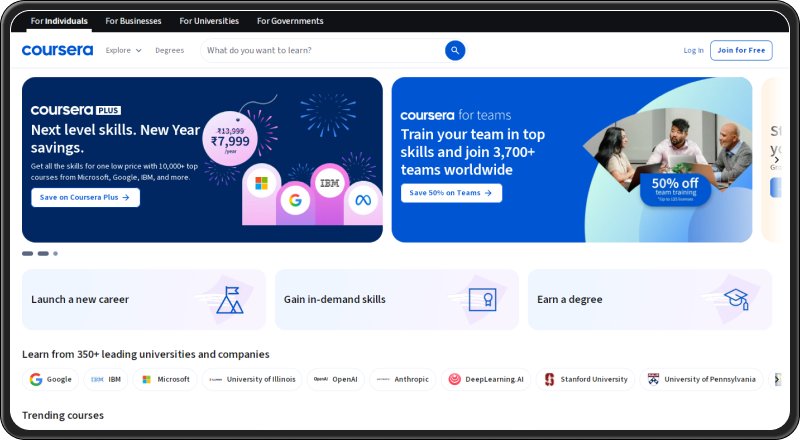
Coursera has established itself as a leading platform for structured, credential-focused online education by partnering with universities, institutions, and global organizations. The programs offered by Coursera include high-quality courses, professional certificates, and full degree programs. Its strength lies in its strong focus on career alignment, guiding learners through structured pathways that connect education directly to job roles and industry demands.
Key Advantages
- University-backed certificates and accredited degree programs
- Career-focused learning pathways tied to real-world skills
- Strong alignment with employer and industry requirements
Build Your Own Coursera-Like Platform
2. edX
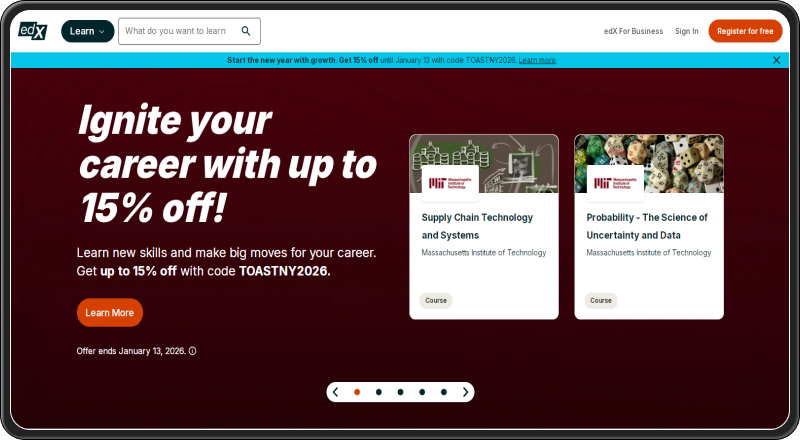
edX is widely known for its academically rigorous approach to eLearning. The platform prioritizes deep subject mastery and structured assessments, making it especially appealing to learners seeking formal education and advanced credentials. Its MicroMasters and professional programs offer a bridge between traditional academics and practical skill development.
Key Advantages
- Strong focus on science, technology, and engineering disciplines
- MicroMasters and professional certification programs
- High-quality academic content and assessment frameworks
3. Udemy
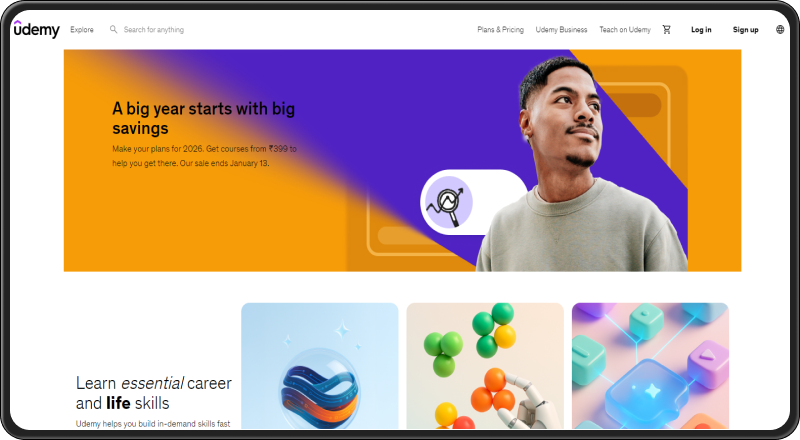
Udemy operates as a large-scale, open marketplace that allows instructors to publish skill-based courses across a wide range of topics, from technology and business to creative and personal development. Its strength lies in accessibility and affordable pricing. Learners benefit from a wide variety of practical, job-ready courses, while instructors can quickly launch and monetize content without complex requirements.
Key Advantages
- Massive and diverse course library
- Affordable pricing model
- Fast and flexible content publishing for instructors
4. LinkedIn Learning
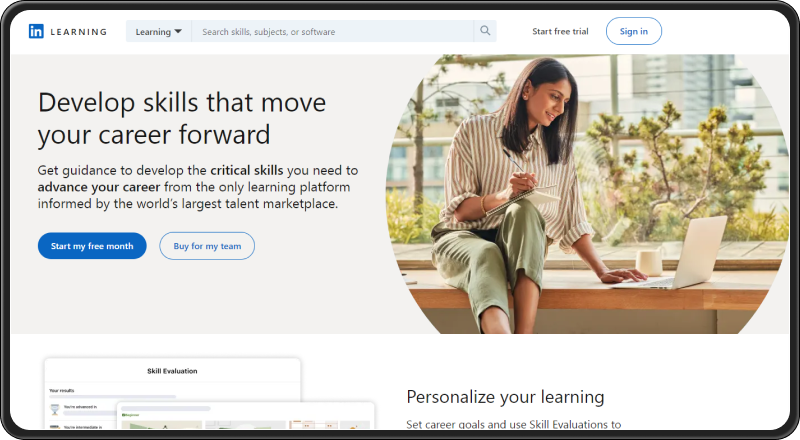
LinkedIn Learning integrates professional education directly into a career-focused ecosystem, offering short, modular courses designed to enhance workplace skills and leadership capabilities. The platform’s key advantage lies in its connection to professional profiles, allowing learners to showcase completed courses and skills to employers.
Key Advantages
- Short, focused learning modules for professionals
- Strong adoption in corporate and enterprise training
- Seamless integration with professional profiles and hiring ecosystems
5. FutureLearn
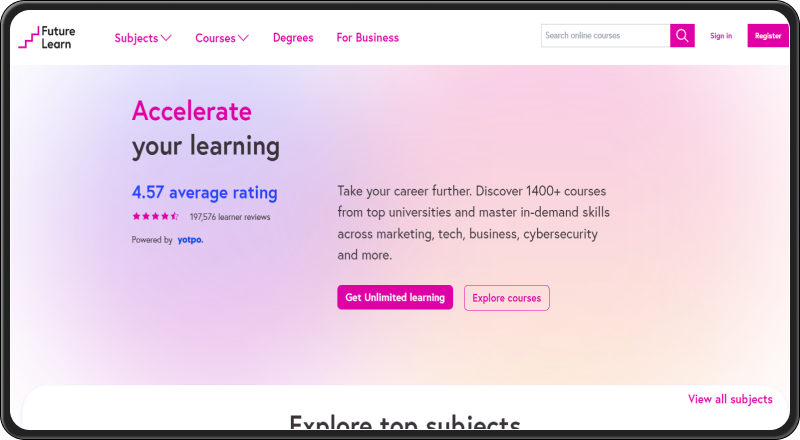
FutureLearn stands out for its emphasis on social and collaborative learning. Developed in partnership with universities and educational institutions, its courses combine academic rigor with peer discussions and guided interactions. This community-driven approach encourages reflection, improves engagement, and supports deeper learning over longer program durations.
Key Advantages
- Microcredentials and professional learning programs
- Discussion-driven and collaborative course structure
- Strong emphasis on learner engagement and retention
6. OpenClassrooms
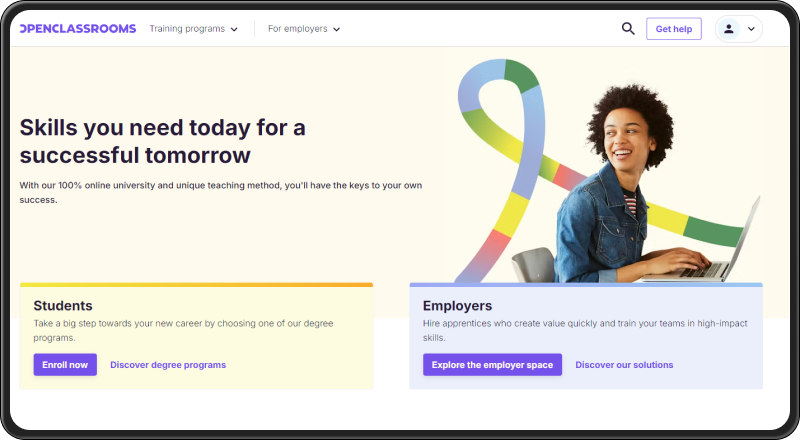
OpenClassrooms focuses on career-oriented education through mentorship and project-based learning rather than traditional course completion. Learners work on real-world projects under the guidance of experienced mentors, helping them develop practical skills aligned with employment outcomes. This model increases accountability and job readiness, making it attractive for career switchers and professionals upgrading their skills.
Key Advantages
- Project-based learning with real-world scenarios
- One-to-one mentorship and guided support
- Strong focus on employability and career outcomes
7. Udacity
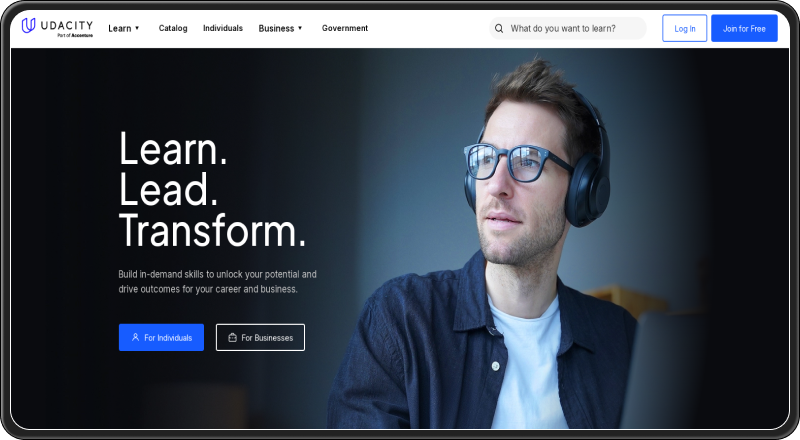
Udacity specializes in advanced, industry-aligned technical education. Its programs are designed in collaboration with leading technology companies and focus heavily on hands-on projects, real-world problem-solving, and outcome-based assessments. Udacity appeals to learners who are willing to invest time and effort for tangible career impact.
Key Advantages
- Industry-designed programs in high-demand tech fields
- Hands-on, project-based assessments
- Strong focus on job readiness and practical skills
8. Skillshare
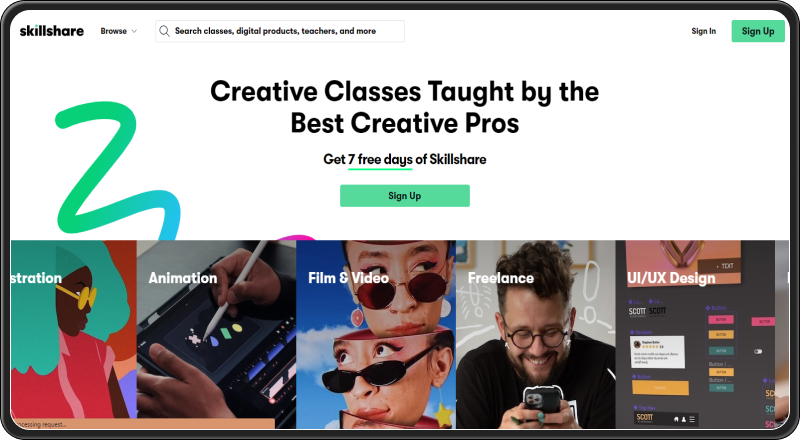
Skillshare is designed for creative professionals and entrepreneurs, offering short, project-based classes that prioritize practical execution over theory. Its subscription-based model encourages exploration across multiple creative disciplines, while community interaction and class projects foster engagement. Skillshare works well for creative learning, but instructors often face unpredictable earnings, limited control over audience relationships, and dependency on platform algorithms for visibility.
Key Advantages
- Short, project-based creative classes
- Community-driven learning environment
- Subscription-based access for learners
9. MasterClass
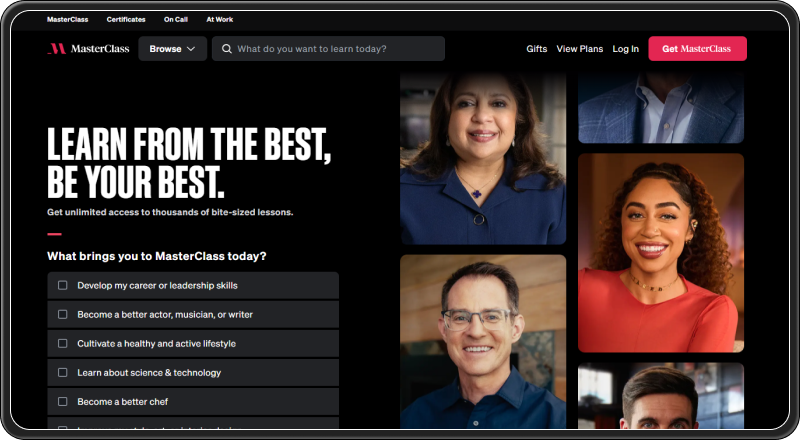
MasterClass positions learning as a premium, inspirational experience by delivering high-production classes taught by globally recognized experts and public figures. The platform focuses more on storytelling, insight, and motivation than step-by-step instruction, which makes it appealing for aspirational learning. While its branding and content quality are unmatched, MasterClass does not support interactive learning, certifications, or independent educator participation, limiting its applicability for structured skill development.
Key Advantages
- Premium branding and cinematic production quality
- Classes taught by world-renowned experts
- Strong emotional and aspirational appeal
10. Preply & iTalki
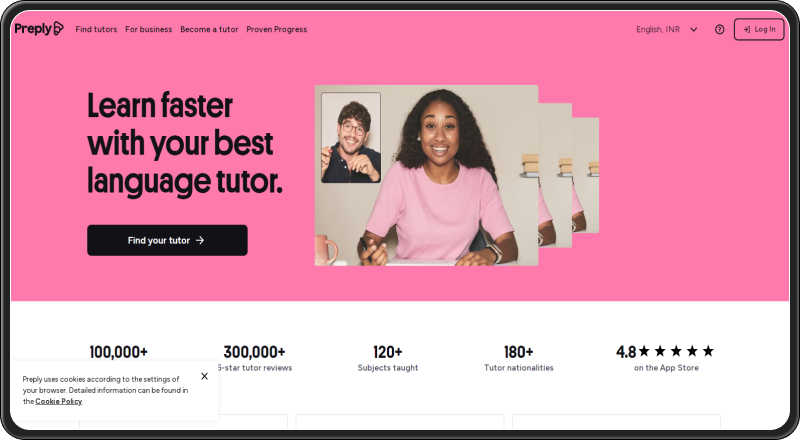
Preply and iTalki represent the growing demand for live, one-to-one learning experiences. These platforms connect learners directly with tutors, particularly in language learning and skill-based coaching. Their strength lies in personalization, flexible scheduling, and real-time feedback, making them highly effective for outcome-driven learning.
Key Advantages
- Real-time, personalized 1-to-1 learning
- Flexible scheduling across time zones
- Strong learner-tutor interaction and feedback
Build Your Own eLearning Platform Like Preply & iTalki
Why Building Your Own eLearning Platform Matters in 2026?
The success of global eLearning platforms, such as Coursera, Udemy, and LinkedIn Learning, clearly depicts that demand for online education is not slowing down. However, these platforms are optimized for scale, not for educator ownership. As competition intensifies, instructors, tutors, and training businesses face growing challenges including limited pricing control, high commissions, restricted branding, and zero ownership of learner data.
In 2026, the real opportunity lies not in competing within large marketplaces. Instead, it lies in building independent, brand-owned eLearning platforms that deliver personalized learning experiences while maintaining full control over users, revenue, and long-term growth. This shift is especially visible in tutoring, coaching, language learning, and professional skill development, where learners prefer direct access to experts over generic content libraries.
This is where Yo!Coach plays a critical role.
Yo!Coach: A Purpose-Built Solution for Modern eLearning Businesses
Yo!Coach is a ready-made eLearning and tutoring marketplace software designed specifically for businesses that want to launch, manage, and scale expert-led learning platforms. Unlike generic LMS tools or video hosting platforms, Yo!Coach is built around real learning interactions rather than simple content hosting.
It enables platform owners to connect instructors and learners in a structured, professional, and monetizable environment, without the complexity and cost of building everything from scratch.
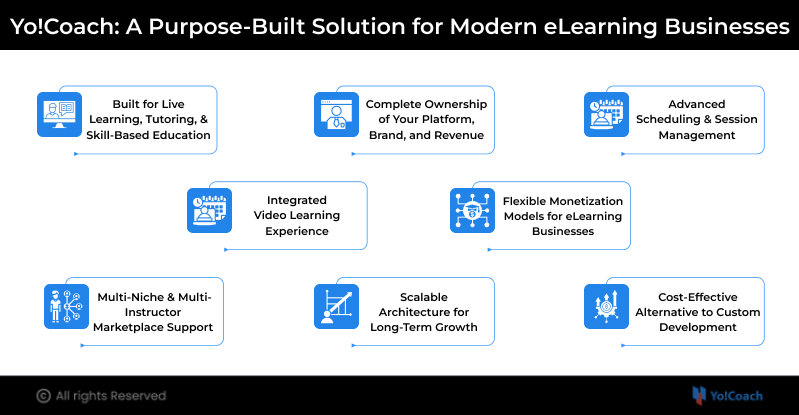
1. Built for Live Learning, Tutoring, and Skill-Based Education
Modern learners increasingly prefer interactive, real-time education over passive video consumption. Yo!Coach is designed to support this shift by enabling:
- One-to-one tutoring sessions
- Group classes and cohort-based learning
- Skill coaching and mentoring programs
- Language learning and professional training
This flexibility allows businesses to serve multiple learning formats within a single platform, making it easier to adapt as learner expectations and education models evolve.
2. Complete Ownership of Your Platform, Brand, and Revenue
One of the biggest limitations of large eLearning platforms is the lack of ownership. Yo!Coach solves this by offering a fully white-label solution, allowing businesses to operate under their own brand with complete control.
With Yo!Coach, platform owners:
- Own their user base and learner data
- Set their own pricing and commission structures
- Control instructor onboarding and quality standards
- Build long-term relationships with learners
This level of ownership is critical for building a sustainable and scalable eLearning business in 2026 and beyond.
3. Advanced Scheduling and Session Management
Managing availability across multiple instructors and learners can quickly become operationally complex. Yo!Coach addresses this with an intelligent scheduling system that streamlines the entire booking process.
Key capabilities include:
- Instructor-defined availability
- Real-time booking based on synced calendars
- Automated confirmations and reminders
- Session tracking and management
This structured scheduling experience reduces administrative overhead, minimizes no-shows, and improves the overall user experience for both learners and instructors.
4. Integrated Video Learning Experience
Live interaction plays a central role in effective online learning. Yo!Coach includes built-in video session capabilities that allow instructors and learners to conduct sessions directly on the platform.
This integration:
- Eliminates dependency on external video tools
- Creates a seamless, professional learning experience
- Improves reliability and session consistency
For tutoring, coaching, and mentoring platforms, this feature is not optional, it is foundational.
5. Flexible Monetization Models for eLearning Businesses
Yo!Coach supports multiple monetization strategies, allowing businesses to choose models that align with their audience and growth goals.
Supported models include:
- Per-session pricing
- Bundled learning packages
- Subscription-based access
- Platform commissions from instructors
This flexibility makes Yo!Coach suitable for both early-stage startups validating their idea and established education businesses scaling their operations.
6. Multi-Niche and Multi-Instructor Marketplace Support
Yo!Coach is designed to support marketplace-based learning platforms, where multiple instructors offer services across different categories. This makes it ideal for businesses looking to operate in one niche or expanding into multiple learning domains over time.
Examples include:
- Language learning marketplaces
- Online tutoring platforms
- `Professional skill coaching
- Academic and exam preparation services
Its architecture supports growth without forcing businesses to rebuild or migrate later.
7. Scalable Architecture for Long-Term Growth
As user numbers, instructors, and sessions increase, performance and stability become critical. Yo!Coach is built with scalability in mind, ensuring it can handle growing demand without compromising speed or reliability.
This makes it suitable not only for MVP launches but also for long-term expansion and enterprise-level use cases.
8. Cost-Effective Alternative to Custom Development
Building a custom eLearning or tutoring platform from scratch requires significant investment in development, testing, and ongoing maintenance. Yo!Coach reduces this burden by offering a market-tested, ready-to-launch solution.
Key benefits include:
- Faster time-to-market
- Lower upfront development costs
- Reduced technical risk
- Proven workflows based on real-world use cases
This allows businesses to focus on growth, marketing, and learner experience instead of technical complexity.
Who Should Use Yo!Coach?
Yo!Coach is ideal for:
- Entrepreneurs planning to create a tutoring website
- Coaching institutes moving online
- EdTech startups launching niche learning platforms
- Language training businesses
- Skill-based and professional education providers
Whether launching a focused niche platform or a multi-category learning marketplace, Yo!Coach provides the foundation needed to scale confidently.
Book a Live Demo of Yo!Coach
Conclusion
The evolution of eLearning platforms clearly shows that online education in 2026 is no longer limited to pre-recorded courses or one-size-fits-all learning models. Learners now expect personalized instruction, live interaction, flexible scheduling, and outcomes that directly support career growth. At the same time, educators and training businesses are seeking independence from crowded marketplaces that limit branding, pricing, and long-term scalability.
While global platforms like Coursera, Udemy, and LinkedIn Learning continue to dominate mass education, the real growth opportunity lies in building independent, expert-led eLearning platforms that focus on real learning relationships rather than content volume.
For entrepreneurs, coaching institutes, and EdTech startups planning to create a tutoring website or launch a live learning marketplace, Yo!Coach offers a future-ready foundation. By combining live tutoring, marketplace functionality, flexible monetization, and full platform ownership, Yo!Coach enables businesses to turn growing demand for online education into a sustainable, scalable digital asset.
Frequently Asked Questions (FAQs)
Q 1. What is the best eLearning platform to build in 2026?
Ans. The best eLearning platform in 2026 is one that supports live learning, personalization, and platform ownership. While marketplaces like Coursera and Udemy are popular for learners, businesses looking to scale should consider building their own platform using solutions like Yo!Coach to retain control over branding, pricing, and user data.
Q 2. Can Yo!Coach be used to create a tutoring website?
Ans. Yes, Yo!Coach can be used to create a tutoring website. This robust solution supports one-to-one tutoring, multi-instructor marketplaces, flexible pricing models, scheduling, and real-time video sessions, making it ideal for academic tutoring, language learning, and professional coaching platforms.
Q 3. Is Yo!Coach suitable for multi-instructor marketplaces?
Ans. Yes, Yo!Coach is suitable for multi-instructor and multi-category marketplaces. It allows platform owners to onboard multiple educators, manage commissions, and scale across different learning niches without rebuilding the platform.
Q 4. What monetization models does Yo!Coach support?
Ans. Yo!Coach supports multiple monetization options, including:
- Per-session pricing
- Bundled packages
- Subscription-based access
- Instructor commission models.
This flexibility allows businesses to experiment and optimize revenue as they grow.
Q 5. Can Yo!Coach scale with the growth of my eLearning business?
Ans. Yes, Yo!Coach is built with scalability in mind and can efficiently handle growing numbers of learners, instructors, and live sessions. It is suitable for MVP launches as well as long-term expansion into enterprise-level eLearning platforms.
Q 6. Is Yo!Coach a cost-effective alternative to custom development?
Ans. Yes, Yo!Coach is a cost-effective alternative to custom development. Building a custom eLearning platform from scratch is time-consuming and expensive. In contrast, Yo!Coach is a ready-made, market-tested solution that significantly reduces development costs, speeds up launch timelines, and minimizes technical risk.
Q 7. Who should consider using Yo!Coach?
Ans. Yo!Coach is ideal for entrepreneurs, EdTech startups, coaching institutes, language training providers, and professional educators who want to launch or scale an independent eLearning or tutoring platform.
Ready to Start Your Own Tutoring or Coaching Platform?
Get Started