
As professionals increasingly seek personalized guidance for career growth, leadership development, and skill enhancement, online mentoring platforms have become an integral part of the digital learning ecosystem. This blog reviews leading platforms such as MentorCruise, GrowthMentor, ADPList, PushFar, and Mentorloop, highlighting their mentoring models, collaboration features, and target audiences. It also explores how entrepreneurs can build a branded mentoring marketplace using Yo!Coach.
The online mentoring industry is evolving rapidly in 2026. What once relied on informal guidance sessions over video calls has now transformed into structured, scalable, and technology-driven mentoring ecosystems. From career acceleration and leadership development to startup advisory and skill-based coaching, today, online mentoring platforms are enabling meaningful one-on-one and group-based interactions across borders.
As the global digital learning economy continues to grow, mentoring platforms are becoming a critical component of professional growth. Individuals are actively seeking mentors for faster career advancement, while companies are investing in mentoring programs to boost employee retention and leadership development. At the same time, organizations are embedding structured mentoring programs into their workforce strategies to improve retention, strengthen leadership pipelines, and build future-ready teams.
However, not all mentoring platforms are built the same. Some cater to independent mentors, others focus on enterprise training, and some operate as large-scale mentoring marketplaces connecting thousands of mentors and mentees. In this blog, we break down what online mentoring platforms are, the essential features to prioritize in 2026, the leading platforms shaping the market, emerging trends, and what it takes to launch your own mentoring marketplace.
Table of Contents
What is an Online Mentoring Platform?
An online mentoring platform is a digital system designed to connect mentors and mentees through structured, goal-oriented interactions. It brings together essential tools, such as session scheduling, communication tools, video conferencing, and secure payment processing into one unified system. Instead of relying on scattered tools, users experience a streamlined journey from mentor discovery to session completion.
Unlike traditional Learning Management Systems (LMS), which primarily deliver recorded courses, mentoring platforms focus on live, personalized guidance. Online mentoring platforms are built to support meaningful engagement through:
- 1:1 mentoring sessions
- Group mentoring programs
- Subscription-based advisory services
- Career-focused or niche-based mentoring marketplaces
- Corporate mentoring initiatives
Mentoring Platform vs Traditional LMS
| Capability | Online Mentoring Platform | Traditional LMS |
| Live 1:1 Sessions | Yes | Limited |
| Mentor Discovery | Yes | No |
| Built-in Scheduling | Yes | No |
| Commission-Based Revenue | Yes | No |
| Real-Time Interaction | Core Feature | Secondary |
In 2026, online mentoring platforms have evolved far beyond basic scheduling tools. They now function as comprehensive mentoring marketplace software solutions, equipped with payment gateways, video conferencing, analytics, and automation. The focus is no longer just on facilitating sessions, but on enabling scalable, revenue-driven mentoring ecosystems.
Must-Have Features in Online Mentoring Platforms in 2026
Choosing the right online mentoring platform software in 2026 is not just about basic functionality. It is about building or joining an ecosystem that supports scalability, engagement, and sustainable revenue. Whether you are a mentor, a mentee, or someone looking to build a mentoring marketplace, understanding the essential features is critical.
Let’s explore some of the key features that an online mentoring platform must have:
1. Smart Mentor Discovery & Matching
Modern platforms offer advanced search filters, skill tags, industry categories, and in some cases, AI-powered mentor matching. This improves conversion rates and enhances user experience.
2. Integrated Video Conferencing
Built-in video conferencing eliminates reliance on third-party tools and creates a seamless user journey. Secure live sessions, screen sharing, chat, and session recording capabilities enhance professionalism. and also simplifies access, strengthens trust, by keeping interactions within the ecosystem.
3. Scheduling & Calendar Sync
Automated scheduling with real-time availability management prevents double bookings and operational friction. Syncing with Google Calendar, Outlook, or iCal ensures accurate time coordination across time zones. Automated reminders reduce no-shows, a common issue in mentoring marketplaces.
4. Secure Payment Integration
Global payment gateway integration with Stripe and PayPal enables flexible monetization. Mentors can charge per session, offer packages, or create subscription models.
5. Commission Management
For marketplace operators, commission automation is non-negotiable. Platforms should support percentage-based commissions, fixed platform fees, tiered subscription models, and promotional discounts.
6. Reviews & Ratings System
Trust is a key conversion driver in online mentoring marketplaces. Verified reviews, rating systems, and detailed feedback mechanisms provide social proof and significantly impact booking decisions.
7. Subscription & Package Models
Platforms must support monthly subscriptions, session bundles, milestone-based packages, and tiered mentoring plans. Flexible pricing structures enable mentors to cater to diverse user needs while generating predictable income.
8. Mobile-Optimized Experience
With mobile traffic exceeding 60% globally, mobile responsiveness is non-negotiable. Moreover, it increases engagement rates and makes mentoring more convenient for busy professionals.
Equip Your Marketplace With Future-Ready Features
Top Online Mentoring Platforms in 2026
The mentoring ecosystem in 2026 spans a wide spectrum, from open-access communities to enterprise-grade coaching infrastructures. While some platforms prioritize long-term mentor relationships, others focus on instant expert access, and several are built for corporate workforce development. However, understanding their positioning, engagement models, and structural strengths helps founders and professionals choose the right fit.
Let’s explore the top online mentoring platforms in 2026:
1. MentorCruise
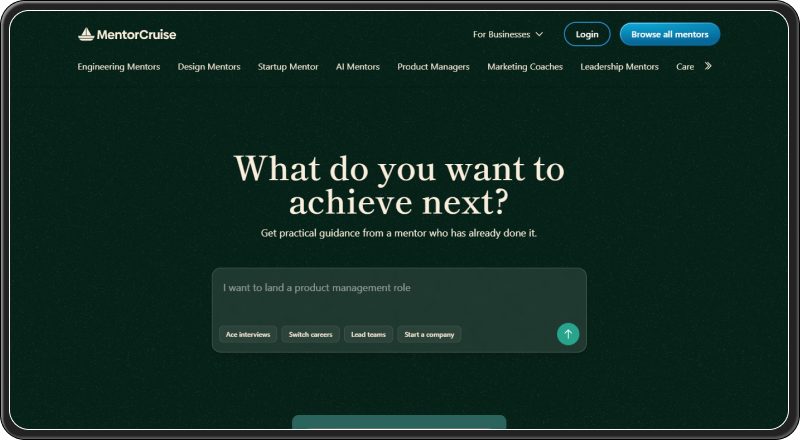
MentorCruise is a subscription-based mentoring marketplace that positions itself as a structured, relationship-driven mentoring marketplace. The platform connects professionals with vetted mentors across technology, product management, UX, and career development. It emphasizes long-term guidance instead of one-off consultations. Moreover, its curated onboarding process maintains mentor quality while supporting career progression in competitive fields.
Key Features:
- Subscription-based 1:1 mentoring
- Curated mentor network
- Skill-based filtering
- Goal tracking tools
- Direct messaging
- Monthly mentorship plans
Limitations:
- Primarily tech-focused
- The subscription model may not suit short-term users
Best For: Tech professionals, product leaders, and individuals seeking structured, long-term mentorship.
2. Clarity.fm
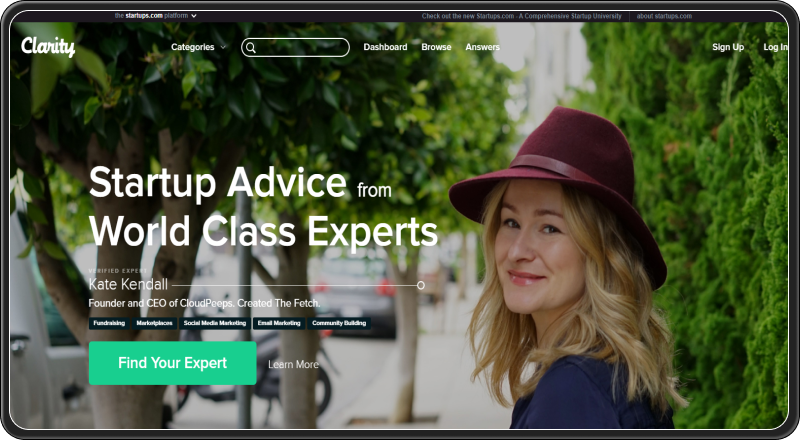
Clarity.fm is an on-demand advisory platform connecting entrepreneurs with industry experts. Users can browse expert profiles, review pricing, and initiate calls quickly, making it suitable for urgent decision-making scenarios. Unlike long-term mentoring marketplaces, it focuses on quick, paid consultations.
Key Features:
- Pay-per-minute advisory calls
- Instant scheduling
- Transparent expert pricing
- Broad industry coverage
- Secure call-based payments
Limitations:
- Not designed for structured long-term mentorship
- Limited engagement features
Best For: Entrepreneurs and business operators needing quick insights or strategic clarification.
3. GrowthMentor
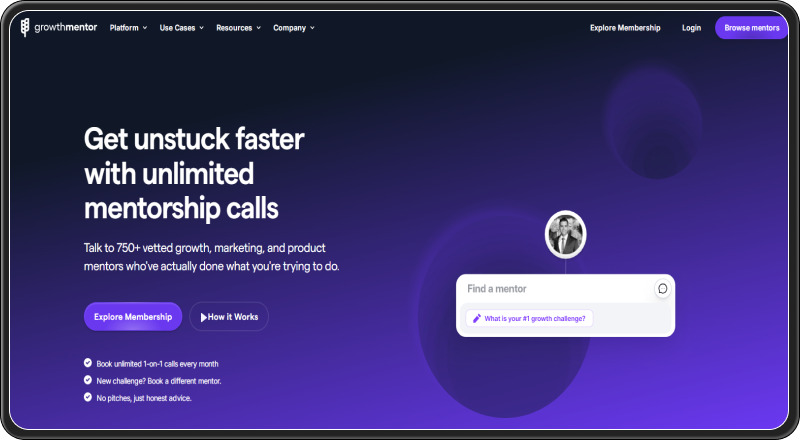
GrowthMentor is a startup-focused mentoring platform offering access to vetted growth and marketing experts. It operates on a flat monthly subscription model, which allows mentees to request multiple sessions within a defined period, encouraging ongoing experimentation and learning. The platform emphasizes vetted experts with hands-on operational experience.
Key Features:
- Unlimited session requests (subscription model)
- Startup & SaaS mentor network
- Session booking system
- Mentor vetting
- Community-based support
Limitations:
- Niche-focused
- Limited outside the startup ecosystem
Best For: Startup founders, growth marketers, and SaaS operators seeking tactical guidance.
Planning to Launch a Online Mentoring Platform Like GrowthMentor?
4. ADPList
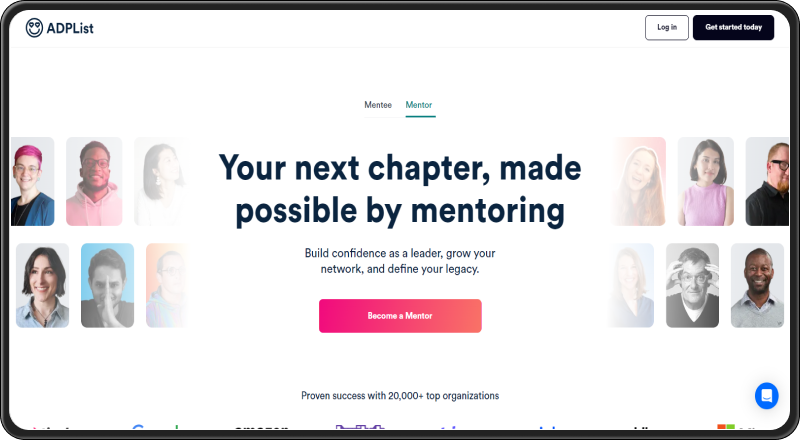
ADPList has built a reputation as an accessible global mentoring community. It encourages volunteer-driven knowledge sharing, particularly in design and product disciplines. The open model lowers entry barriers, enabling early-career professionals to connect with experienced practitioners across international markets.
Key Features:
- Free mentoring sessions
- Global mentor discovery
- Profile-based booking
- Community events
- Skill-based search filters
Limitations:
- Limited monetization structure
- Less structured long-term programs
Best For: Students, junior professionals, and individuals exploring early-career transitions.
5. PushFar
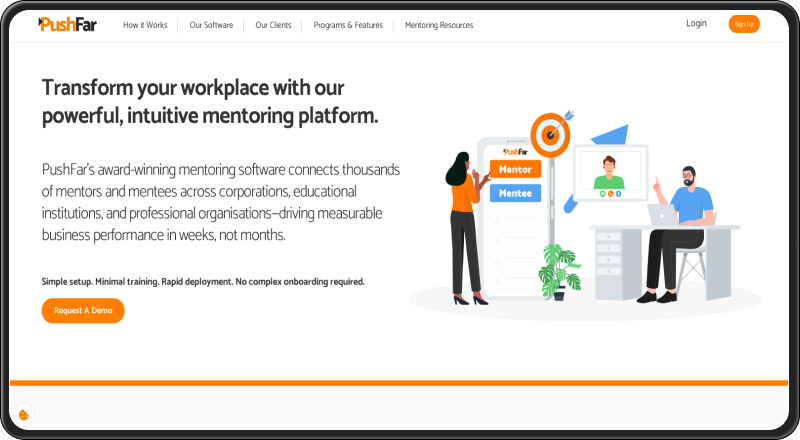
PushFar is designed to support structured mentoring programs within organizations and educational institutions. Rather than operating as a public marketplace, it equips organizations with tools to manage internal mentor-mentee relationships. Its reporting capabilities support HR teams and educational administrations in tracking engagement outcomes.
Key Features:
- Structured mentor-mentee pairing
- Program tracking dashboards
- Progress measurement tools
- Enterprise-grade reporting
- Long-term mentorship management
Limitations:
- Not an open public marketplace
- Enterprise-oriented focus
Best For: Universities, organizations, and structured mentoring initiatives.
6. BetterUp
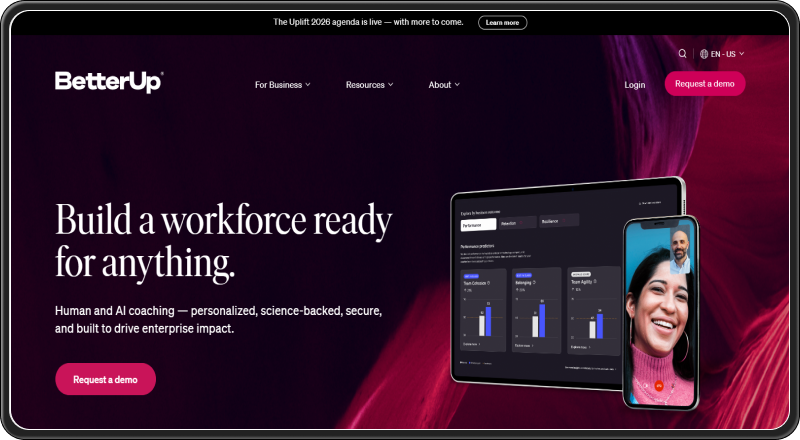
BetterUp is an enterprise mentoring and coaching platform offering leadership development and workforce transformation programs. Its model integrates behavioral science, leadership assessments, and performance analytics to support employee development at scale. The platform is structured for enterprise environments requiring measurable impact.
Key Features:
- AI-powered coach matching
- Leadership coaching
- Behavioral assessments
- Enterprise analytics
- Performance tracking
Limitations:
- Not suitable for independent mentors
- Enterprise-only pricing
Best For: Organisations investing in leadership development and workforce performance.
7. CoachHub
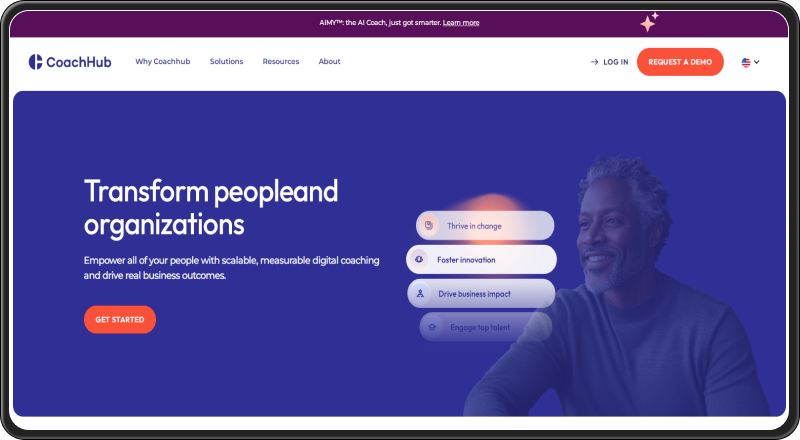
CoachHub provides scalable digital coaching programs for enterprises worldwide, focusing on professional development and leadership growth. The platform emphasizes data-driven insights and measurable development outcomes for corporate environments.
Key Features:
- Global coach network
- Multi-language support
- AI-based matching
- HR integration
- Data-driven insights
Limitations:
- Not a public mentoring marketplace
- Enterprise-focused model
Best For: Large organizations seeking structured coaching programs.
8. Maven
Maven enables experts to run cohort-based live mentoring programs. It blends structured learning with mentorship-style engagement. Its application-driven enrollment process fosters curated peer groups, enhancing collaborative engagement. The model is structured around time-bound, outcome-focused learning experiences.
Key Features:
- Cohort-based live sessions
- Interactive workshops
- Structured program delivery
- Application-based enrollment
- Community engagement tools
Limitations:
- Not a multi-mentor discovery marketplace
- Focused on the cohort model
Best For: Experts offering structured, premium mentoring programs.
9. Superprof (Tutoring & Mentorship Marketplace)
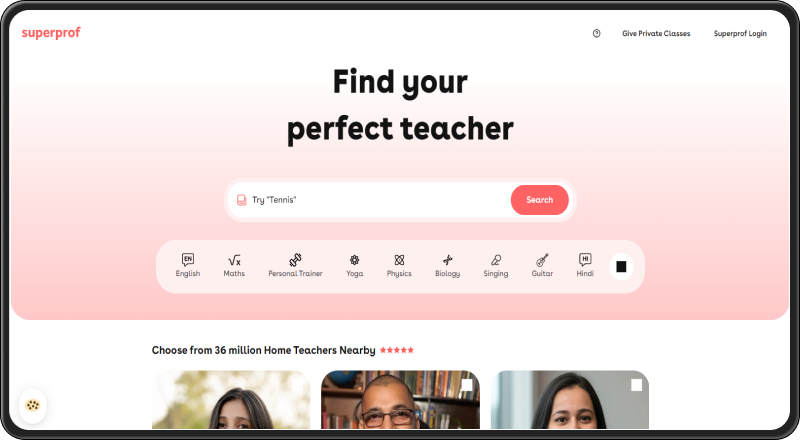
Superprof is a global tutor marketplace connecting students with teachers across academic subjects, languages, arts, and professional skills. It allows direct contact between students and tutors with flexible pricing.
Key Features:
- Wide subject coverage
- Tutor search & filtering
- Online & offline lessons
- Profile reviews & ratings
- Flexible pricing models
Limitations:
- Quality varies by tutor
- Platform mainly acts as listing marketplace
Best For: Students looking for subject-based tutoring and skill mentoring.
10. MicroMentor (Entrepreneur Mentoring Platform)
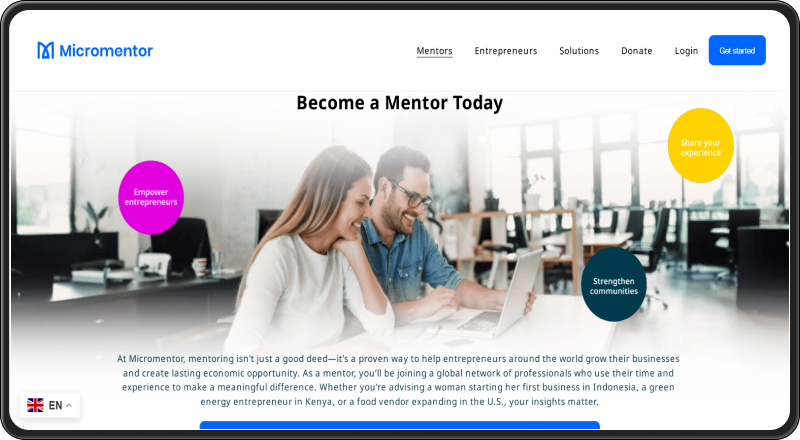
MicroMentor is a nonprofit mentoring platform connecting entrepreneurs and small business owners with volunteer business mentors worldwide.
Key Features:
- Free mentor matching
- Entrepreneur-focused
- Long-term mentoring relationships
- Global volunteer mentor base
- Business growth support
Limitations:
- Not industry-specific
- Less structured platform features
Best For: Small business owners and early-stage entrepreneurs seeking business guidance.
How to Build Your Own Online Mentoring Platform in 2026
While many professionals choose to join existing online mentoring platforms, a growing number of entrepreneurs are choosing a more strategic route by launching their own mentoring marketplace. This shift is driven by one key factor: control.
When you build your own platform, you are not restricted by another company’s policies, pricing rules, or branding limitations. You gain full ownership over your business model, user experience, and long-term growth strategy.
Moreover, building your own online mentoring platform allows you to:
- Maintain complete branding control
- Own your revenue streams directly
- Implement commission-based monetization
- Position your platform within a focused niche
- Scale without external platform dependency
- Retain full ownership of user data
Instead of competing inside someone else’s ecosystem, you create and control your own.
However, developing a mentoring marketplace from scratch can take anywhere between 12 and 18 months and require significant technical investment. That’s why many founders explore white-label mentoring marketplace solutions that reduce complexity while preserving customization flexibility.
Yo!Coach: White Label Mentoring Marketplace Software
Yo!Coach is a ready-to-deploy mentoring marketplace software built specifically for entrepreneurs and businesses that want to launch their own scalable online mentoring platform.
Unlike generic SaaS tools meant for individual coaches, Yo!Coach supports full multi-mentor marketplace functionality, making it suitable for commission-based and subscription-driven business models.
Core Capabilities:
- Multi-mentor marketplace architecture
- 1:1 and group mentoring session support
- Built-in video conferencing
- Commission management automation
- Subscription plans and package support
- Secure global payment integration
- Admin dashboard with analytics and reporting tools
- Custom branding and workflow configuration
- One-time license model with no recurring SaaS dependency
Who Is It For?
- Entrepreneurs launching niche mentoring marketplaces
- Organizations building private mentoring networks
- Coaching businesses expanding into marketplace models
- Corporate mentoring program providers
Why Founders Consider Marketplace Software
From a strategic standpoint, marketplace software helps founders reduce operational and financial risk while accelerating launch timelines.
It allows you to:
- Reduces time-to-market
- Minimizes development risk
- Enables faster revenue generation
- Supports long-term scalability
- Provides operational control
Instead of building technology from scratch, founders can focus on high-impact growth areas such as mentor acquisition, marketing strategy, community building, and revenue optimization.
In a rapidly expanding digital mentoring economy, owning the infrastructure can create stronger long-term enterprise value.
Schedule a Demo to Understand Yo!Coach’s Marketplace Capabilities
Conclusion
The online mentoring industry in 2026 has moved far beyond experimentation. It has matured into a structured, revenue-generating ecosystem, where professionals actively seek personalized guidance instead of generic, pre-recorded learning. From career mentoring and executive coaching to niche advisory marketplaces, demand continues to rise as professionals increasingly seek personalized guidance over generic learning.
For entrepreneurs, this shift creates a powerful opportunity. However, launching a mentoring platform is not just about entering the market. It is about building a scalable digital asset. The infrastructure you choose directly affects your control over branding, monetization flexibility, operational efficiency, and long-term profitability.
White-label mentoring marketplace solutions such as Yo!Coach addresses these needs by offering marketplace-ready functionality without the delays and risks of custom development. Instead of investing a year or more into building software from scratch, founders can concentrate on niche positioning, mentor acquisition, marketing execution, community growth, and revenue expansion. In a rapidly expanding mentoring economy, long-term success depends on pairing the right business model with the right technological foundation.
FAQs
Q 1. Is starting an online mentoring platform profitable in 2026?
Ans. Yes, with the growing demand for personalized guidance, career mentoring, executive coaching, and niche advisory services, building an online mentoring platform can prove to be highly profitable. Additionally, with recurring revenue models, such as commission fees, subscription plans, mentor listing fees, and enterprise packages, a well-positioned online mentoring platform can become a scalable and sustainable business.
Q 2. What is the best business model for a mentoring marketplace?
Ans. The most scalable model is typically a multi-mentor marketplace with commission-based earnings combined with subscription or package options. This allows predictable monthly revenue while giving mentors flexibility in pricing and service offerings. Moreover, some platforms also include enterprise licensing or premium membership tiers for additional monetization.
Q 3. What features are essential in mentoring marketplace software?
Ans. A robust mentoring marketplace platform should include:
- Multi-mentor architecture
- Commission automation
- Built-in scheduling & calendar sync
- Secure global payment integration
- 1:1 and group session support
- Reviews and ratings system
- Admin dashboard with reporting tools
- Subscription and package management
Without these features, scaling beyond a small user base becomes difficult.
Q 4. Should entrepreneurs build mentoring software from scratch?
Ans. No doubt that building an online mentoring software from scratch offers full control but requires high development costs, technical expertise, and a longer time-to-market, often 12+ months. Thus, many entrepreneurs choose white-label mentoring marketplace software to reduce risk and accelerate launch timelines while maintaining customization flexibility.
Q 5. How much does it cost to launch a mentoring platform?
Ans. The cost to launch a mentoring platform varies depending on the approach:
- Custom development: Higher upfront investment and longer timeline
- White-label solutions: One-time license model (in many cases) with faster deployment
The total cost should be evaluated based on long-term scalability and revenue potential, not just initial expense.
Q 6. How do mentoring platforms attract mentors and mentees?
Ans. Successful platforms focus on:
- Niche specialization (e.g., tech, startup, executive leadership)
- Strong branding and positioning
- Performance-based commission models
- Marketing campaigns and SEO
- Community-building strategies
Entrepreneurs who focus on a specific industry often grow faster than broad, general mentoring platforms.
Q 7. Can I create a niche-specific mentoring marketplace?
Ans. Yes, niche mentoring marketplaces are growing faster than general platforms in 2026. Specializing in areas such as AI, healthcare, finance, entrepreneurship, or leadership allows clearer positioning, targeted marketing, and higher engagement rates. Additionally, it often leads to stronger trust and better mentor-mentee alignment.
Q 8. What is the difference between a mentoring platform and a coaching platform?
Ans. Mentoring typically focuses on long-term career or professional guidance based on experience-sharing, while coaching may be more goal-driven and structured. However, many modern platforms support both models through session scheduling, packages, and subscription-based interactions.
Q 9. What is a white-label mentoring platform?
Ans. A white-label mentoring platform is pre-built mentoring marketplace software that entrepreneurs can rebrand as their own. It allows full customization, commission setup, mentor onboarding, and revenue management without developing the technology from scratch. Solutions like Yo!Coach are designed specifically to support this model.
Enter the Mentoring Economy With a Future-Ready Platform
Get Started